Tracing Digital Comparison Engines: How Algorithmic Tools Refine Bonus Selection for British Bettors
Written by Gisela Lehmann · Jun 9, 2026
Tracing Digital Comparison Engines: How Algorithmic Tools Refine Bonus Selection for British Bettors
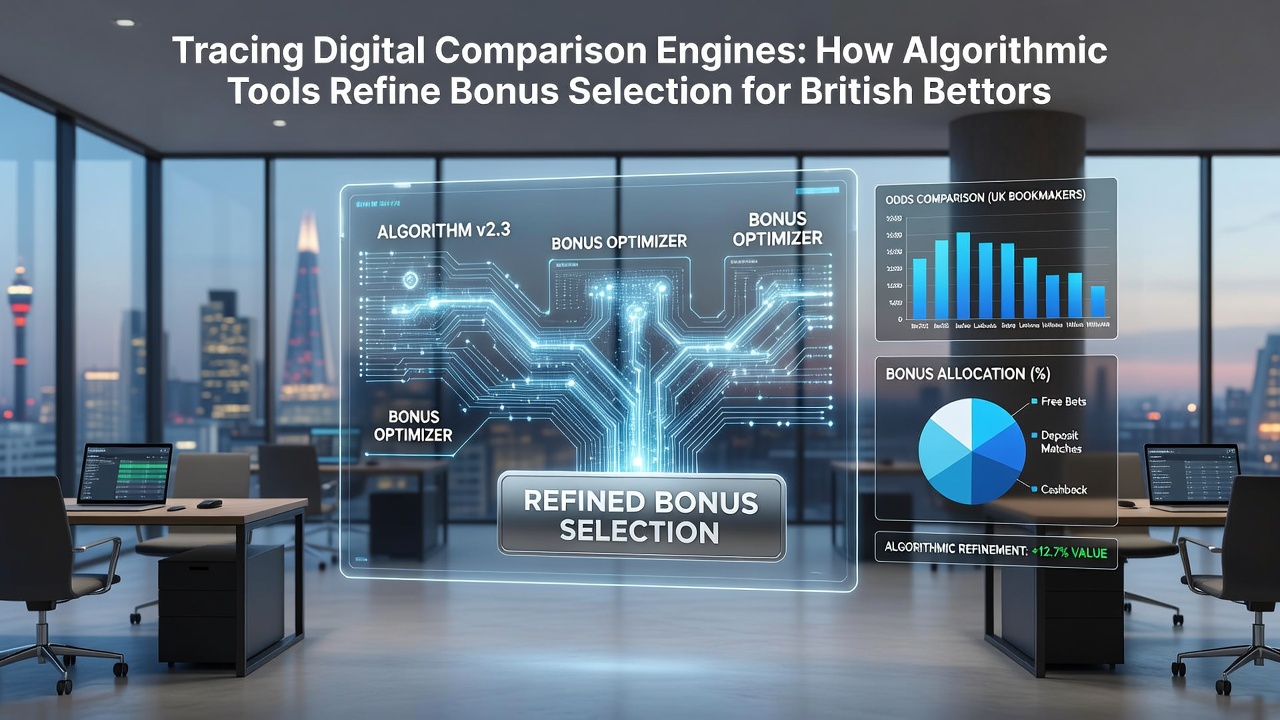
Digital comparison engines have become central to how British bettors evaluate promotional offers from licensed operators, and algorithmic systems now drive much of that evaluation process. These platforms aggregate data on welcome bonuses, free bets, and cashback deals then apply ranking models that factor in wagering requirements, expiry periods, and payout caps. As of June 2026 operators continue to release new promotions weekly, yet the tools that sort through those offers have grown more sophisticated in their filtering logic.
Core Components of Algorithmic Ranking
Modern comparison engines rely on machine learning models trained on historical promotion performance and user outcome data. The models assign weighted scores to each bonus based on variables such as minimum odds thresholds, maximum stake contributions, and game eligibility lists. When a new promotion appears, the algorithm pulls real-time terms from operator APIs then recalculates rankings within seconds. Researchers at several European academic institutions have documented how these systems reduce the time bettors spend manually comparing offers by up to seventy percent in controlled tests.
Data Inputs and Real-Time Adjustments
Algorithms ingest multiple data streams including regulatory filings, operator marketing releases, and anonymized user feedback on bonus redemption success rates. When an operator tightens its wagering multiplier from thirty times to forty times, the system detects the change and drops that offer in the displayed order. Natural language processing components scan terms and conditions for hidden restrictions that might otherwise remain buried in fine print. Observers note that these adjustments occur continuously, which keeps rankings current even during periods of rapid promotional changes.
Geographic and Regulatory Considerations
British bettors operate under specific rules that differ from other markets, and leading comparison engines incorporate those distinctions into their logic. For instance, the models prioritize offers that align with age verification standards and responsible gambling messaging requirements. Data from the Gambling Research Exchange Ontario indicates that cross-border operators sometimes present similar bonus structures yet apply different eligibility criteria; the algorithms flag such variations so users can avoid unintended disqualifications.
User Personalization Layers
Many platforms now layer individual preference profiles onto the core ranking engine. Bettors who favor sports accumulator bonuses receive tailored suggestions that emphasize multi-leg promotions, whereas those who play slots see offers weighted toward free spin packages. The personalization draws from past interaction patterns without storing sensitive financial details. One study published by the Australian Gambling Research Centre found that personalized ranking increased the likelihood that users would complete the full bonus cycle by roughly twenty-five percent compared with generic lists.
Transparency Measures and Audit Trails
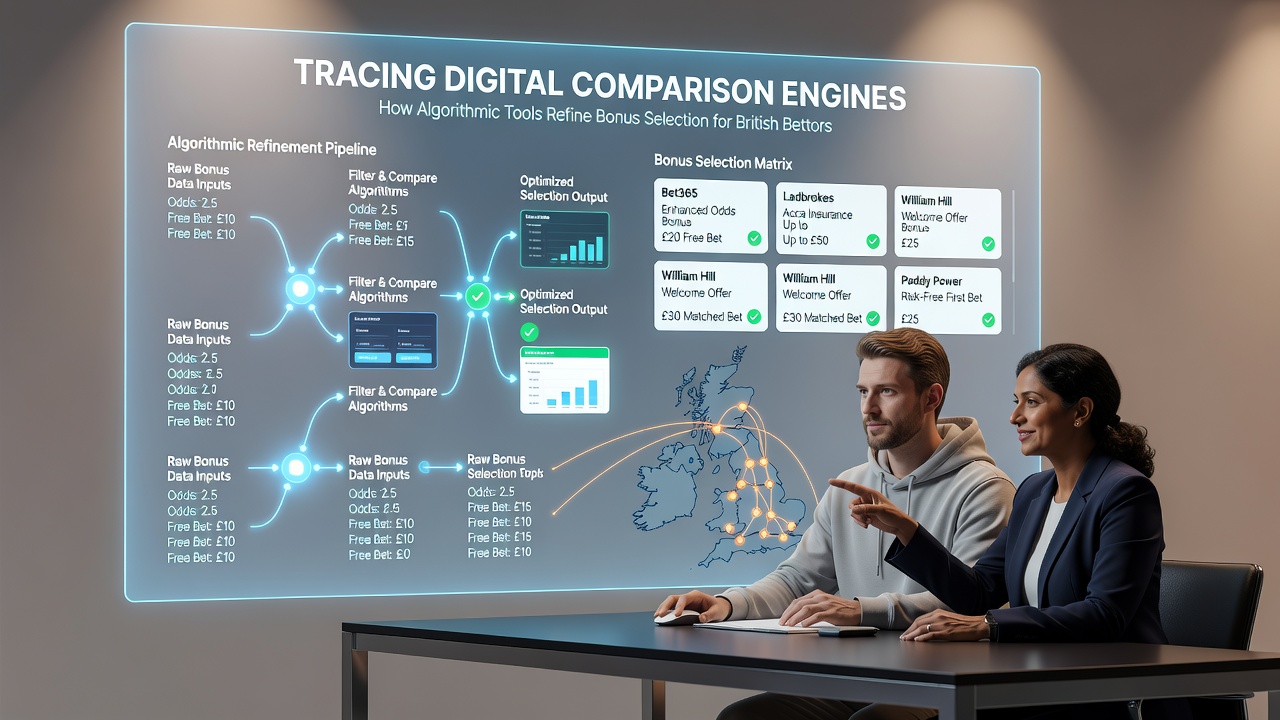
Industry groups have encouraged platforms to publish the weighting criteria used by their algorithms. Several comparison sites now display simplified scorecards that show how each bonus earned its position. These disclosures allow users to understand why one offer ranks above another without needing technical expertise. The Responsible Gambling Council has highlighted such transparency features as useful tools for informed decision-making among recreational players.
Emerging Patterns in Mid-2026
Throughout the first half of 2026 comparison engines began integrating live odds feeds into bonus evaluations. This development lets the algorithm assess whether an enhanced odds promotion actually delivers measurable value relative to standard market prices. Early adopters report that users receive more accurate value estimates because the system cross-references current bookmaker margins before finalizing rankings. The approach remains limited to major sports markets where sufficient liquidity exists for reliable comparisons.
Conclusion
Algorithmic comparison engines continue to shape how British bettors identify and select promotional offers by processing large volumes of terms data and applying consistent ranking logic. The systems adapt in real time to operator changes, incorporate personalization, and increasingly factor in live market conditions. As regulatory environments evolve and operators release new incentive structures, these digital tools remain the primary mechanism through which many users navigate available bonuses.