Tiered Loyalty Programs: Unpacking Their Role in Shaping Sportsbook Behaviors in Britain
Written by Gisela Lehmann · Jul 3, 2026
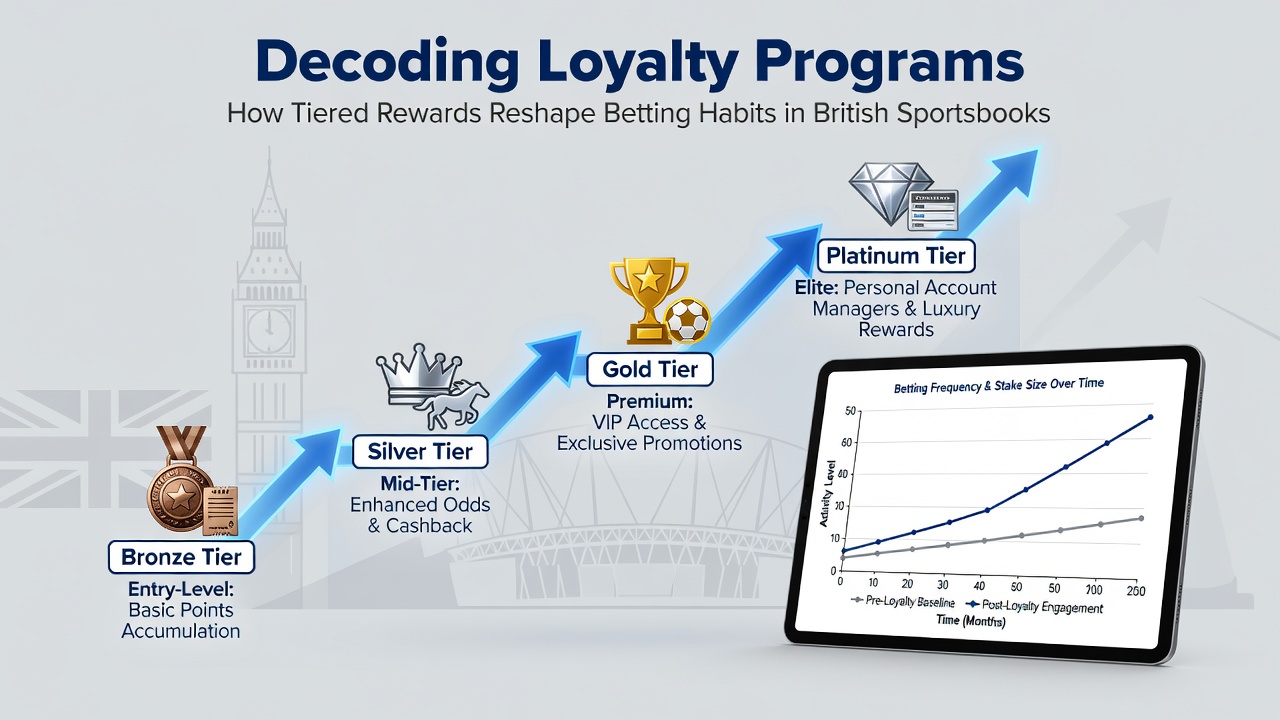
Tiered Loyalty Programs: Unpacking Their Role in Shaping Sportsbook Behaviors in Britain
British sportsbooks have expanded tiered loyalty structures over recent years, and these systems now organize player rewards according to cumulative betting activity measured through points, deposits, and wager volumes, while data from mid-2026 shows continued growth in participation across multiple operators.
Mechanics Behind Tier Progression
Most programs divide customers into levels such as bronze, silver, gold, and platinum, where each tier unlocks enhanced cashback percentages, faster withdrawal processing, exclusive promotions, and dedicated account support, and progression typically requires reaching defined thresholds within set timeframes like monthly or quarterly cycles.
Operators calculate points based on stake amounts across sports markets, with higher multipliers often applied to accumulator bets or live wagers, and players who maintain consistent activity receive invitations to higher tiers that deliver greater percentages back on losses plus access to events such as hospitality packages at major fixtures.
Observed Shifts in Betting Patterns
Analyses conducted through industry tracking indicate that customers enrolled in multi-tier systems tend to consolidate wagers with a single operator once they reach mid-level status, and this concentration occurs because accumulated benefits create stronger incentives to remain active rather than spreading activity across several platforms.
Research from the University of Sydney's Gambling Research Unit has documented similar consolidation effects in comparable markets, where structured rewards correlate with steadier session lengths and increased focus on specific bet types that earn accelerated points, while reports from Canadian responsible gambling organizations note parallel trends in player retention metrics.
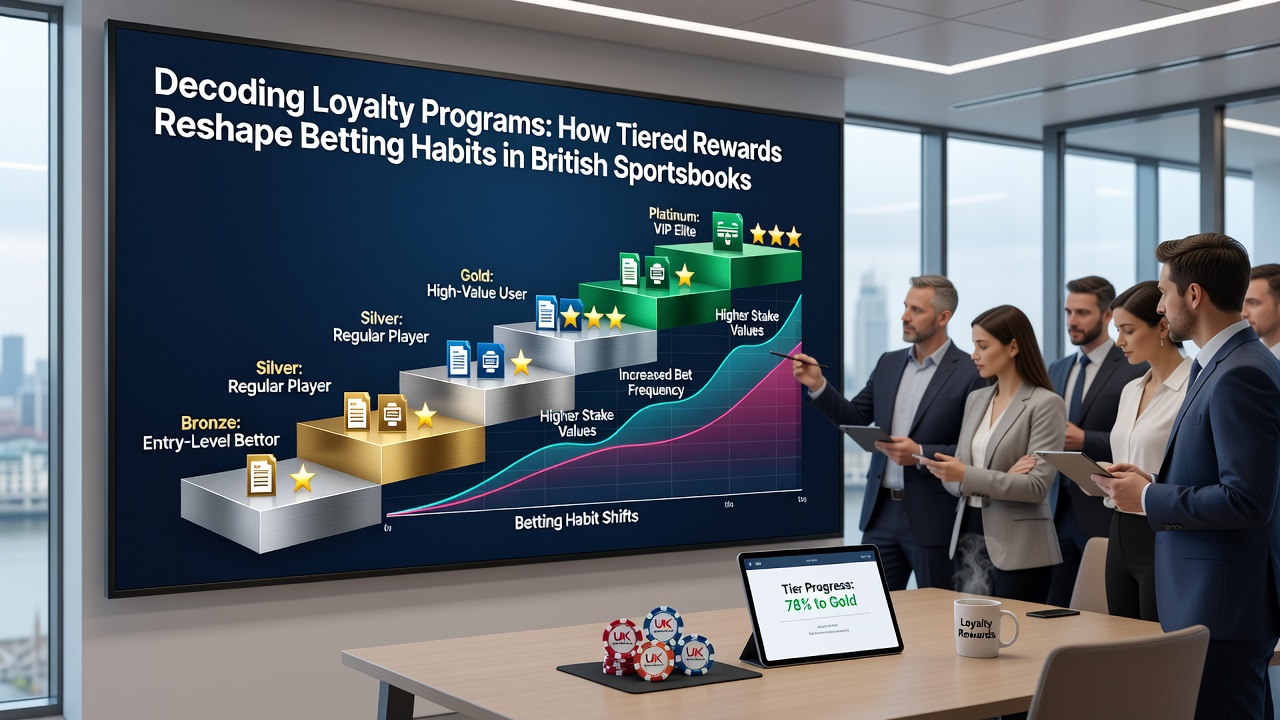
Impact on Deposit and Withdrawal Habits
Higher-tier members frequently maintain larger account balances to preserve status, and withdrawal patterns shift as premium levels offer reduced fees or instant processing that encourages players to leave funds available for ongoing activity rather than cashing out immediately after wins.
Figures compiled across operator reports reveal that gold and platinum participants complete more qualifying bets per month compared with entry-level users, and these users also show elevated engagement with in-play markets because live betting often carries bonus point multipliers that accelerate progression toward the next tier.
Examples from Major Operators
One prominent platform structures its system so that silver status activates after £500 in monthly wagers, granting 5% cashback plus free bet credits scaled to recent activity, whereas reaching gold requires £2,000 in the same period and adds personalized odds boosts alongside priority customer service lines.
Another operator ties tier advancement to a combination of deposit frequency and sports-specific wagering, resulting in players who previously focused solely on football reallocating portions of their activity toward horse racing or tennis to maximize points across categories and sustain momentum through each cycle.
Broader Industry Context in July 2026
By July 2026 several British sportsbooks had introduced seasonal tier resets that align with major events such as the start of the Premier League or major tennis tournaments, and these timed resets create fresh windows for players to climb levels while existing high-tier members receive transitional benefits to maintain continuity.
Trade association summaries indicate that loyalty expenditure now represents a growing share of overall marketing budgets, and this allocation reflects measured returns in the form of extended customer lifetimes and higher average revenue per user among those who reach upper tiers.
Conclusion
Tiered reward frameworks continue to influence how British bettors distribute their activity, manage balances, and select markets, with data showing measurable consolidation and sustained participation once initial thresholds are cleared, and ongoing refinements through 2026 suggest these structures will remain central to operator strategies for maintaining engagement across diverse player segments.