The Surprising Impact of Phone Sensors on Football Match Betting Personalization
Written by Theo Günther · May 31, 2026
The Surprising Impact of Phone Sensors on Football Match Betting Personalization
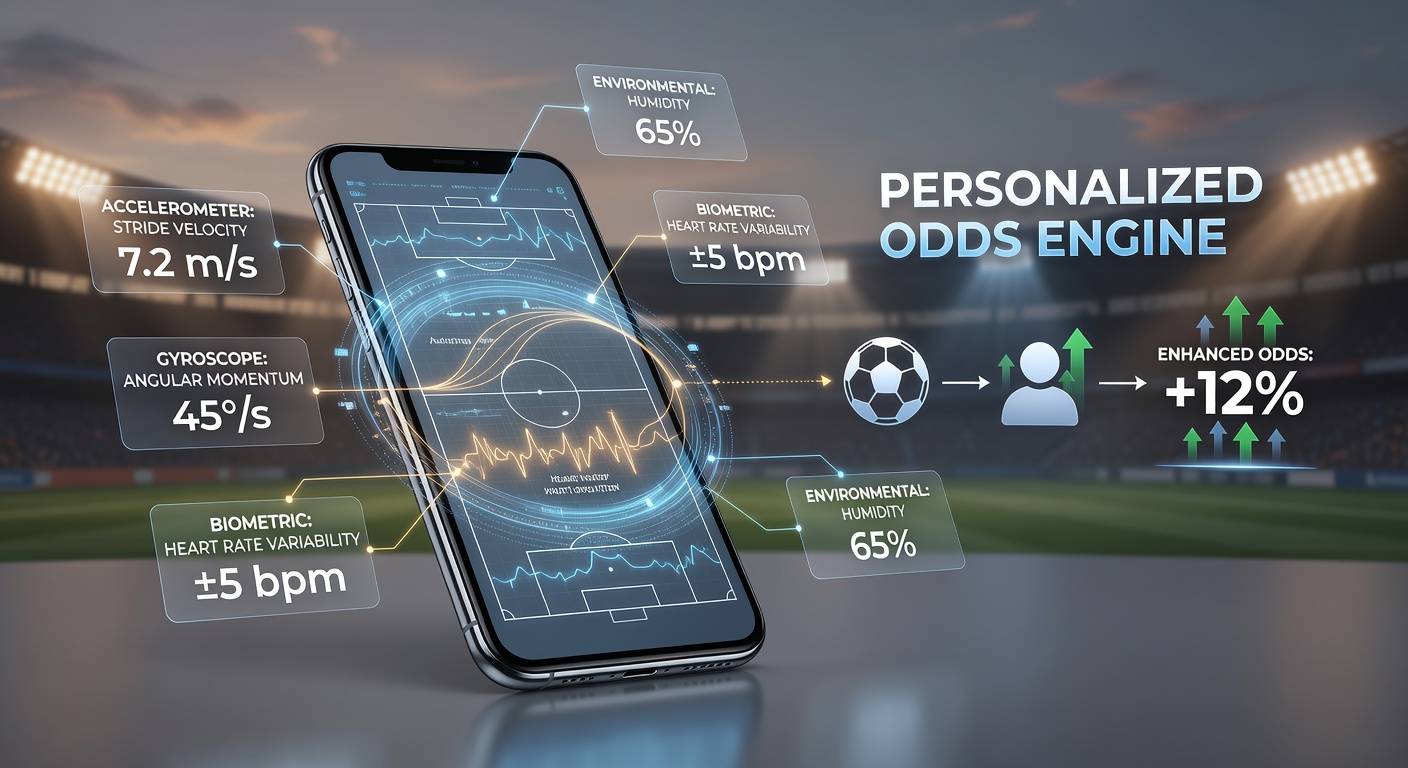
Smartphone sensors collect location data, movement patterns and device orientation that betting platforms integrate into real-time decision systems, and these inputs allow operators to adjust enhanced odds for football matches based on individual user profiles. Accelerometers, gyroscopes, GPS modules and barometers generate streams of information that applications process continuously while users interact with match previews or live markets. Observers note that this sensor fusion creates opportunities for dynamic personalization where odds reflect not only statistical models but also contextual signals from the device itself.
Sensor Types and Data Collection Mechanisms
Modern smartphones contain multiple sensors that operate in tandem during app sessions, and GPS provides precise geolocation that confirms whether a user sits inside an approved betting jurisdiction while the accelerometer detects subtle hand movements that might indicate engagement levels with specific leagues or teams. Gyroscopes track device rotation which apps correlate with screen time on particular fixtures, whereas barometric sensors add altitude context that refines location accuracy in stadium environments. Researchers at institutions such as the Massachusetts Institute of Technology have examined how these combined readings feed into machine learning pipelines that predict user preferences with increasing precision over repeated matches.
Personalization of Enhanced Odds for Football Fixtures
Enhanced odds promotions for football matches often appear as boosted payouts on selected outcomes, yet sensor-derived data enables platforms to tailor these boosts according to detected user behavior patterns, and a user whose device shows repeated visits to a particular stadium zone might receive targeted multipliers on home-team win markets during upcoming fixtures. Platforms process this information alongside historical betting activity to generate individualized offers that activate only when sensor readings align with predefined criteria such as proximity to the venue or consistent evening usage windows. Data from the Australian Communications and Media Authority indicates that location-verified sessions have grown steadily as regulatory frameworks in various regions require stricter compliance checks before bonus activation.
Integration with Live Match Environments
During live football broadcasts the same sensors continue feeding information that influences in-play odds adjustments, and sudden changes in device movement detected by the accelerometer might signal a viewer shifting attention between multiple screens which triggers refined market updates. Gyroscope data helps applications maintain stable interfaces even as users move through crowded venues, while GPS updates ensure that any location-based restrictions remain enforced throughout the match duration. Experts from the European Gaming and Betting Association have documented how these real-time inputs reduce latency between sensor capture and odds display, resulting in more responsive personalization layers that adapt within seconds of detected behavioral shifts.
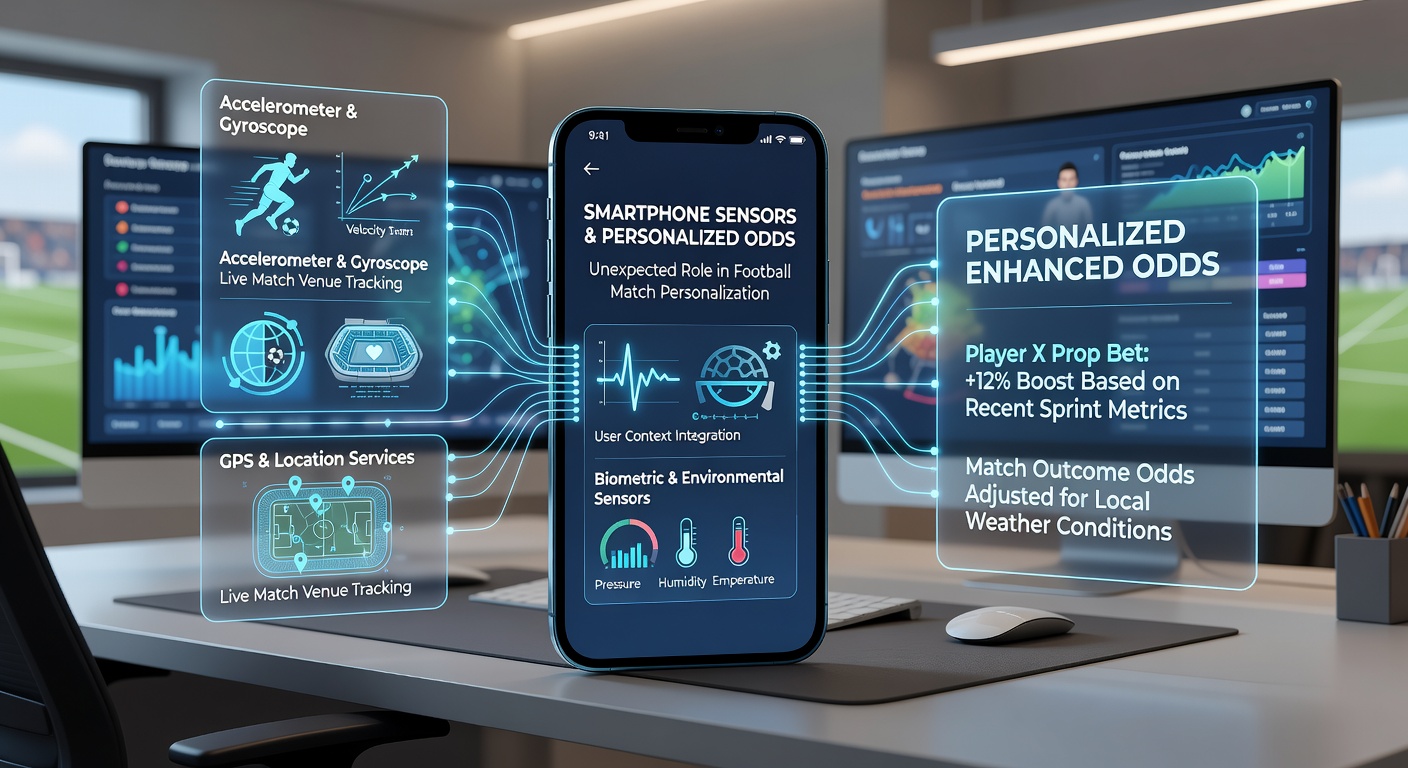
What's interesting is the way these systems handle edge cases such as users transitioning between indoor and outdoor spaces where barometric pressure changes help recalibrate location estimates, and this calibration maintains continuity of personalized offers across different environments. Operators deploy algorithms that weigh sensor reliability scores so that temporary signal loss does not disrupt ongoing enhanced odds eligibility, and the result is a smoother experience where football match selections remain consistent even under variable network conditions.
Regulatory Context and Technological Timelines
Industry observers have tracked developments scheduled for May 2026 that include updates to device certification standards affecting how betting applications access sensor data, and these forthcoming requirements emphasize transparent consent mechanisms for continuous location and motion tracking. Platforms already preparing for those changes incorporate modular sensor frameworks that allow selective data sharing based on user preferences, while still supporting the personalization features that differentiate football betting markets. Figures released by regulatory bodies in Canada reveal rising adoption rates of sensor-enhanced verification tools across licensed operators, underscoring the global shift toward device-level authentication methods.
Future Developments in Sensor-Driven Betting Features
Continued advances in sensor fusion techniques point toward even finer granularity in odds personalization, and emerging chipsets promise lower power consumption that supports longer monitoring periods without draining battery life during extended match days. Analysts expect integration with additional environmental sensors such as ambient light detectors to further contextualize user sessions, potentially refining when enhanced football odds appear on screen. Those who've studied these systems note that the underlying data pipelines already demonstrate measurable improvements in engagement metrics when sensor inputs guide promotional timing.
Conclusion
Smartphone sensors have moved from passive components to active participants in football betting personalization, and their role continues expanding as platforms refine algorithms that convert raw motion and location signals into tailored enhanced odds. The combination of technical capability and regulatory evolution through 2026 ensures these features will remain central to how operators deliver individualized match experiences across regions.