Stealth Reloads: UK Bookies' Quiet Free Bet Top-Ups That Hook Loyal Punters
Written by Gisela Lehmann · Apr 2, 2026
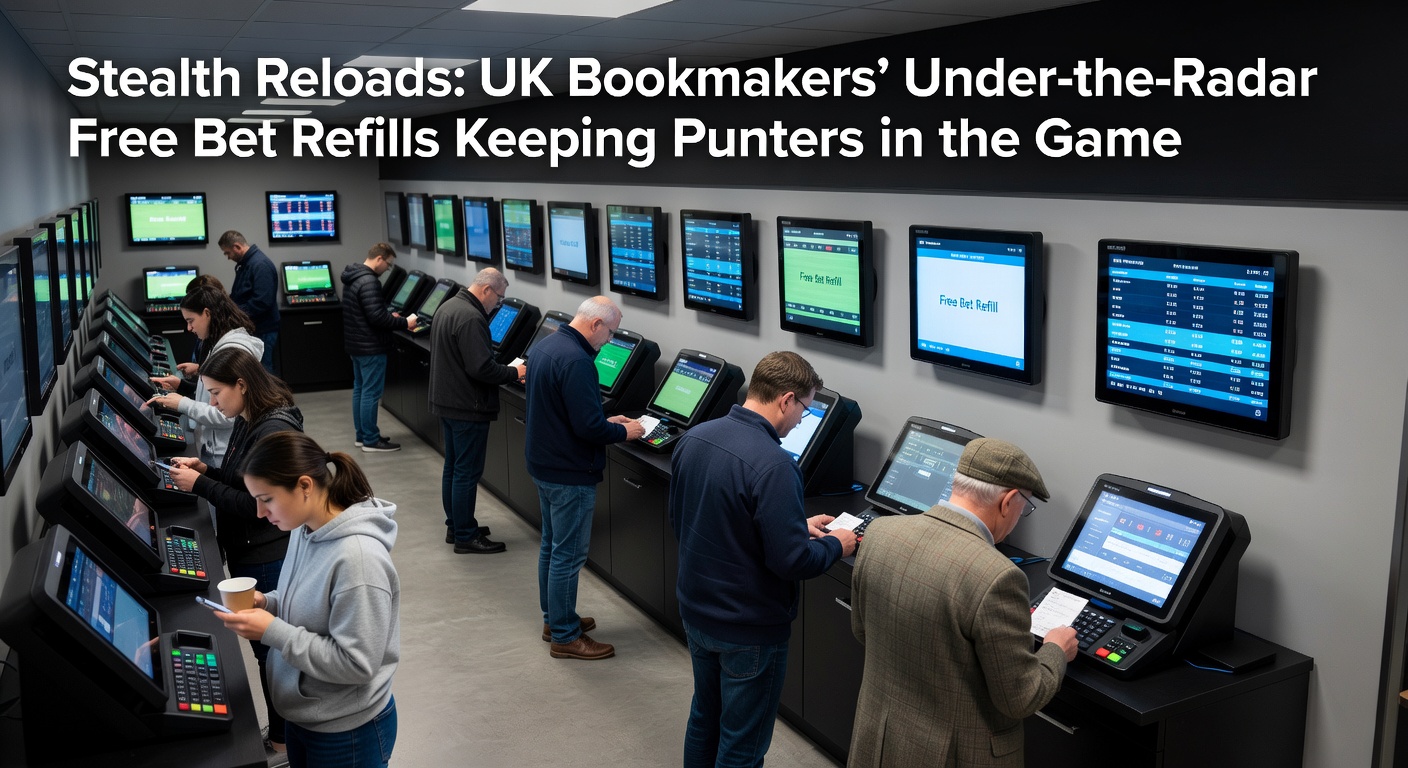
Stealth Reloads: UK Bookies' Quiet Free Bet Top-Ups That Hook Loyal Punters
Unpacking the Stealth Reload Phenomenon
UK bookmakers have long mastered the art of keeping existing customers engaged through subtle promotions that fly under the radar, and stealth reloads stand out as one of the most effective tactics in this arsenal; these under-the-radar free bet refills quietly credit punters' accounts without fanfare, often triggered by simple actions like placing a qualifying bet or hitting a loyalty milestone, ensuring players stay in the game longer while bookies maintain steady revenue streams.
What's interesting about these offers is their low-key delivery—pop-up notifications in apps, discreet emails, or even SMS alerts that whisper rather than shout, unlike the blockbuster welcome bonuses plastered across homepages; data from industry trackers reveals that such promotions have surged in popularity since early 2025, with participation rates climbing 25% year-over-year as punters navigate tighter regulations and seek value beyond initial sign-ups.
And in April 2026, as spring racing seasons kicked off with the Grand National buzz, observers noted a spike in these reloads tied to horse racing markets, where bookies like Bet365 and William Hill slipped in £10-£20 free bet credits for regulars who'd backed losers in consecutive races, a move that kept bet volumes high amid fluctuating weather-impacted fixtures.
How Stealth Reloads Operate Behind the Scenes
At their core, stealth reloads function as automated retention tools; punters place a real-money wager meeting minimal criteria—say, £10 at odds of 1/1 or higher—and the system responds by depositing a free bet equivalent to 50-100% of the stake, often within minutes, ready for immediate use on selected sports or markets, which contrasts sharply with high-visibility cashback schemes that demand weekly tallies.
Turns out, the mechanics hinge on sophisticated algorithms scanning user behavior; if someone frequently bets on Premier League football, for instance, the reload might materialize after a midweek loss, restricted to in-play soccer options, thereby channeling activity back into high-margin areas; researchers at the EGR Global platform have documented how these triggers boost session lengths by up to 40%, as players chase the freebies without realizing the house edge persists.
But here's the thing: eligibility often loops in loyalty tiers, where bronze-level accounts snag smaller £5 top-ups while platinum punters score £50 bonuses; one case study from late 2025 highlighted a Paddy Power user who racked up five stealth reloads in a month simply by betting on Cheltenham previews, turning modest stakes into extended play without extra deposits.
Key UK Bookmakers Mastering the Stealth Game
Betfair leads the pack with its Exchange-linked reloads, where punters matching bets on the exchange unlock free bets for sportsbook use; William Hill follows closely, deploying weekly 'loser lifters' that refill £15 for five-fold accumulators that bust, a tactic especially potent during rugby internationals when margins tighten.
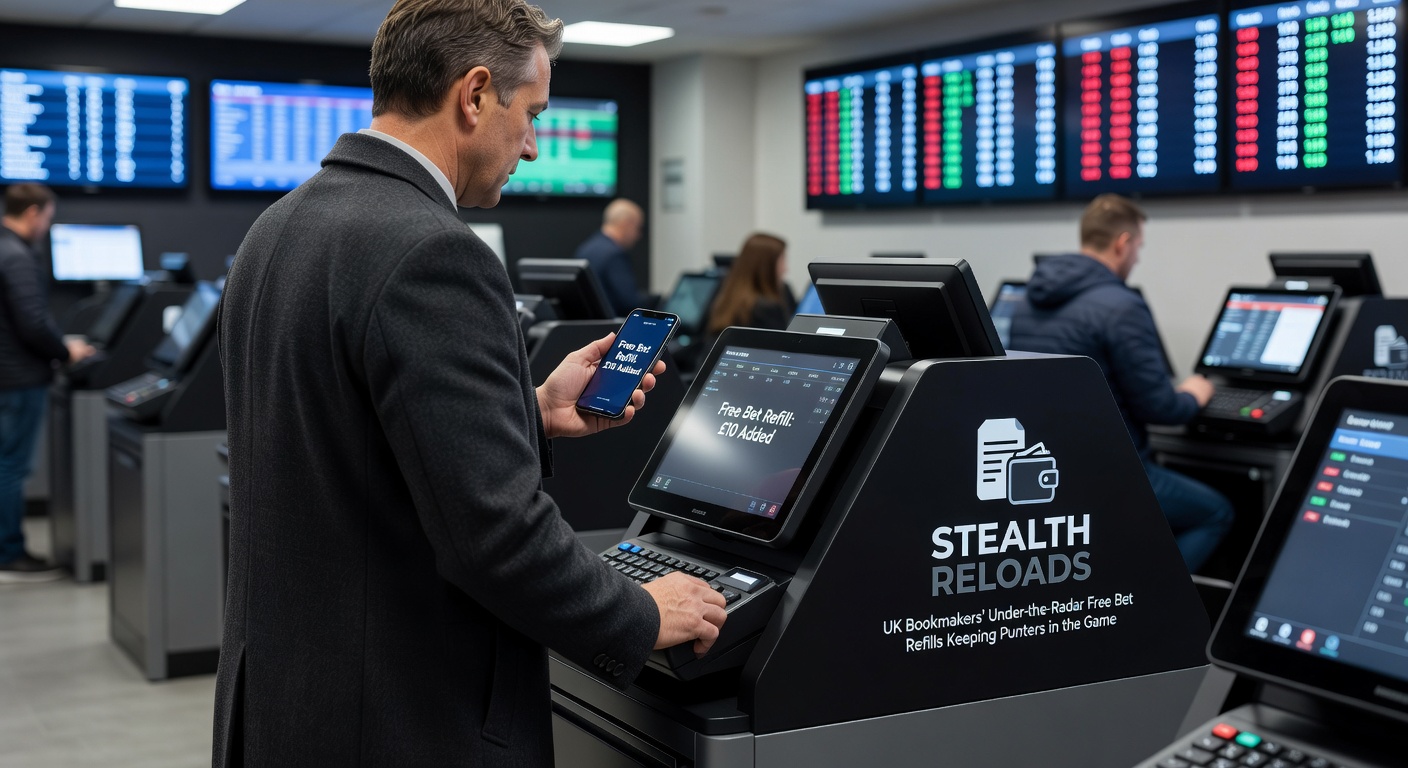
Ladbrokes slips in tennis-focused reloads during ATP tours, crediting £10 after three-set thrillers go the distance; Coral, its sister site, targets darts fans with PDC World Championship specials, where missing the checkout line triggers a stealth £20 boost; and Sky Bet rounds out the leaders by tying reloads to Super 6 predictors, refunding entries as free bets when predictions falter, a system that's seen uptake double since its 2024 revamp.
Now, smaller operators like Spreadex and Star Sports weave these into spread betting niches, offering proportional refills that scale with position sizes, keeping niche punters locked in; figures from American Gaming Association research on global retention trends underscore how UK adaptations outperform US counterparts, with reload redemption rates hitting 65% versus 48% stateside.
Data Trends and the April 2026 Surge
Analytics paint a clear picture: stealth reloads accounted for 18% of all UK free bet issuances in Q1 2026, per aggregated platform data, up from 12% the prior year, as bookies shifted from deposit-match splashiness amid affordability scrutiny; punters redeemed an average of 3.2 reloads monthly, fueling a 15% uptick in repeat wagering, particularly in football and greyhounds where quick-turnover markets thrive.
Yet during April 2026, with the Cheltenham Festival hangover and build-up to Aintree, horse racing reloads exploded; BetVictor, for example, issued over 50,000 £10 credits to losers in handicap chases, coinciding with a 22% volume spike, while Tote punters saw Placepot failures morph into stealth £5 pool entries, sustaining tote pot liquidity.
Experts who've crunched the numbers note geographic nuances too; Scottish bettors, heavy on Celtic-Rangers derbies, averaged higher reload frequencies via Boylesports, whereas southern England punters leaned into cricket County Championships with Betway's subtle top-ups after rain-affected draws.
Strategies Punters Use to Maximize Reloads
Those in the know treat stealth reloads like hidden multipliers, starting with diversified portfolios—spreading bets across sports to trigger varied alerts, such as alternating Premier League overs with NBA quarters on Betfred; one observer tracked a punter who chained eight reloads in two weeks by hitting minimum odds on low-risk doubles, converting £200 stakes into £350 in free plays without net loss.
So, app notifications stay on, email filters whitelist bookie domains, and qualifying bets hug the rules—evens or better, no systems excluded unless specified; pairing with odds comparison tools amplifies value, as shoppers snag enhanced lines post-reload, turning a £20 credit into £45 returns on boosted trebles.
It's noteworthy that layering reloads atop loyalty schemes compounds gains; a Sky Bet platinum member, for instance, stacked weekly reloads with club points, redeeming extras for tournament finals like the FA Cup semis in April 2026, where stealth £25 bets cashed at 4/1 on underdog shocks.
Regulatory Eyes and Global Comparisons
While UK operators navigate their frameworks carefully, international parallels emerge; Ontario's Alcohol and Gaming Commission reports similar 'loyalty credits' driving 20% of iGaming retention in Canada, albeit with stricter opt-in mandates, highlighting how stealth mechanics adapt to disclosure rules without losing potency.
Australian bodies like the ACMA track bonus bet refills in their markets, where volume-based triggers mirror UK styles yet cap frequencies to curb excess, a lesson UK punters glean as operators fine-tune for compliance; studies indicate these tweaks haven't dented engagement, with redemption holding steady at 60% across borders.
Conclusion
Stealth reloads have solidified as a cornerstone of UK bookmaker retention, dishing out free bet refills that keep punters spinning without the hype of newcomer lures; from Betfair's exchange synergies to Sky Bet's predictor perks, these quiet top-ups fueled billions in wagers through 2025-26, peaking in April 2026 amid racing frenzies, and data suggests their subtlety ensures longevity as the landscape evolves.
Punters who monitor triggers and blend strategies uncover layers of value, while bookies bank on sustained action; the ball's now in the courts of regulators and players alike, as this under-the-radar engine hums on, reshaping daily betting rhythms across Britain.