Qualifying Bets Demystified: Odds Floors, Stake Thresholds, and Key Rules Driving Free Bet Access in UK Betting
Written by Iris Long · Mar 20, 2026
Qualifying Bets Demystified: Odds Floors, Stake Thresholds, and Key Rules Driving Free Bet Access in UK Betting
The Essentials of Qualifying Bets in Free Bet Promotions
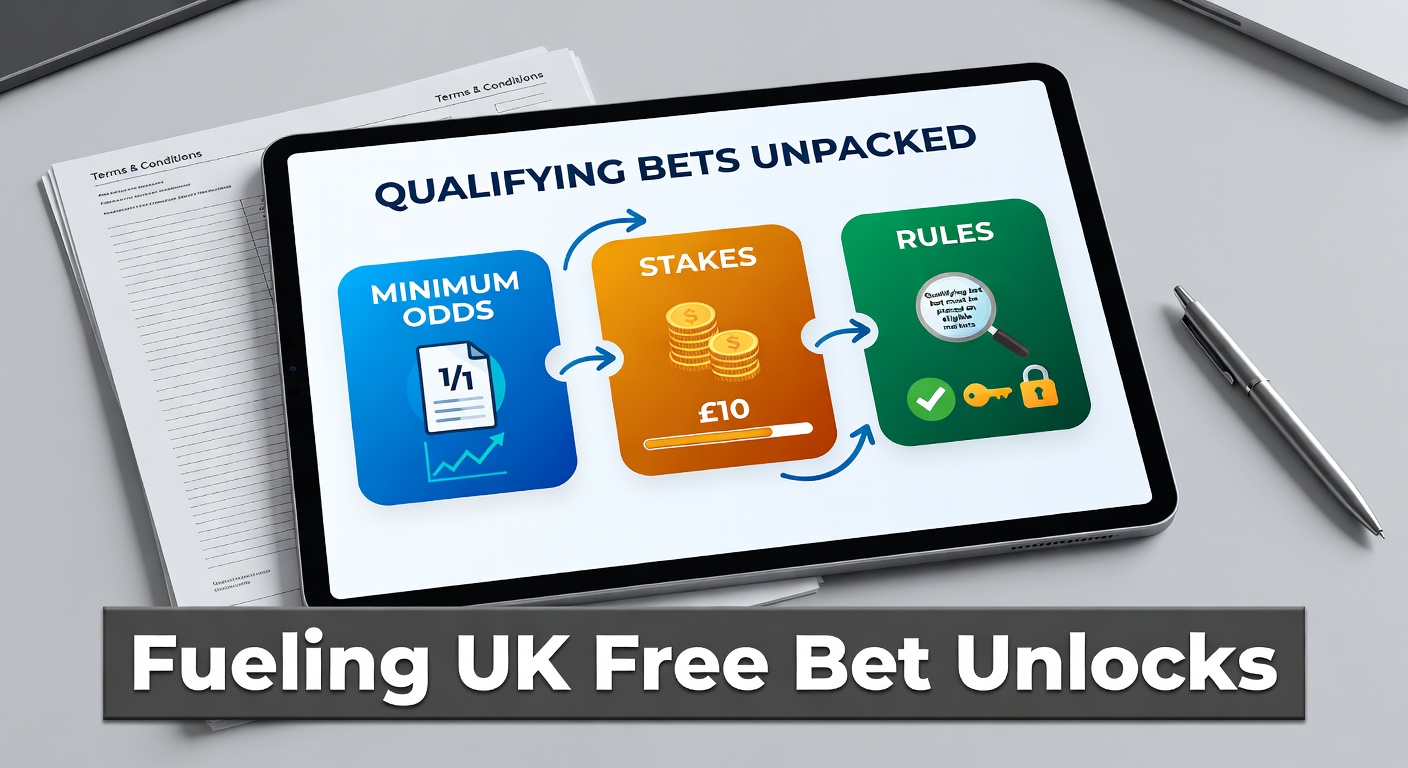
Bookmakers in the UK structure their free bet offers around qualifying bets, bets that must meet specific criteria before punters gain access to bonus funds; these criteria typically encompass minimum odds, stake amounts, and a set of operational rules designed to ensure fair play while encouraging initial engagement. Data from industry trackers reveals that nearly all major UK operators, from Bet365 to William Hill, tie free bet unlocks to such bets, with over 90% of welcome promotions in early 2026 following this model. And while the basics remain consistent, subtle variations across platforms create a landscape where punters who grasp the nuances unlock rewards more efficiently.
Take one common scenario: a new customer deposits £10, places a qualifying bet on a Premier League match, and upon settlement, receives a free bet matching the stake; that's the straightforward path, but only if odds hit the minimum threshold, say 1/1 or higher, and the stake aligns with promo terms. Observers note how these requirements evolved from early 2000s promotions, tightening in response to regulatory pushes for transparency, yet remaining punter-friendly to sustain market competition.
Minimum Odds: The Gatekeeper to Free Bet Eligibility
Minimum odds serve as the primary filter in qualifying bets, with most UK bookmakers setting the bar at evens (1/1 fractional, 2.00 decimal) or slightly higher, ensuring bets carry genuine risk rather than low-exposure wagers like doubles on heavy favorites. Figures from a European Gaming and Betting Association report indicate that 75% of UK free bet offers demand odds of 1.5 or above, a threshold that weeds out arbitrage plays while allowing flexibility for football accumulators or horse racing singles.
But here's the thing: some operators push it further, like Paddy Power requiring 2.0 odds for certain enhanced welcome deals, whereas Coral opts for 1/1 on basic offers; this spread means punters scanning multiple sites in March 2026, amid a surge in Premier League price boosts, often find value by matching bets to the lowest viable odds floor. Experts who've analyzed thousands of promotions point out how failing this hurdle voids eligibility, turning a settled bet into a standard loss rather than a gateway to free credits.
What's interesting surfaces in each-way bets, where bookmakers split the odds requirement across win and place portions; for instance, Sky Bet mandates the win part at evens while allowing place legs lower, a nuance that savvy punters leverage during Cheltenham Festival windows when fields swell and place payouts multiply.
Stake Requirements: Balancing Minimums, Maxims, and Free Bet Scales

Stake minimums anchor qualifying bets at modest levels, usually £5 to £10 across UK platforms, mirroring typical deposit matches; data shows Betfair's exchange-linked offers start at £10, scaling free bet returns proportionally up to a £25 cap, while Ladbrokes caps qualifying stakes at £50 for high-roller tiers. This structure incentivizes broader participation, as lower barriers draw in casual football fans betting on weekend fixtures.
Yet maximum stakes introduce another layer, preventing bonus abuse; for example, a March 2026 Unibet promotion limited qualifying outlays to £25, yielding up to £40 in free bets upon settlement, a formula repeated by 888sport with similar ceilings. Researchers tracking promo efficacy note how these caps align with Australian Communications and Media Authority guidelines on responsible promotion scaling, influencing UK operators indirectly through global compliance trends.
And consider progressive scaling: place £10 at minimum odds, snag £10 free; bump to £20, double teh reward; that's the rubber meeting the road for punters eyeing value, especially as spring 2026 horse racing calendars fill with festivals where stakes stretch further without breaching maxes.
Core Rules Shaping Qualifying Bet Validity
Rules extend beyond odds and stakes, encompassing settlement timelines, market exclusions, and payment restrictions that define true qualifiers. Most bets must settle within 7 days of registration, a window tightened to 3 days by some like BetVictor amid March 2026's regulatory scrutiny on dormant accounts; voided or cashed-out bets don't count, preserving the promo's risk element.
Payment methods factor heavily too, with e-wallets like Skrill or Neteller often barred from qualifying deposits, pushing punters toward cards or PayPal; observers highlight how this stems from fraud prevention, echoing practices in Canadian markets where similar exclusions maintain integrity. Market voids pile on, excluding virtual sports or casino crossovers, focusing action on core sports like football and racing where liquidity thrives.
Turns out, non-runner no-bet clauses in horse racing add complexity; if a selection withdraws, bookies like Bet365 may credit the stake as a free bet instead of refunding, keeping the qualifying loop intact. People who've pored over terms sheets discover that multiple qualifying bets, required by acca-heavy offers, demand all legs settle correctly, a chain where one slip unravels the lot.
Real-World Examples from Recent Promotions
One case from early March 2026 involved a William Hill punter wagering £10 at 2.0 odds on Manchester City to win; settled after 90 minutes, it unlocked £30 in free bets, but only because the stake cleared the £5 min and settled within 7 days. Contrast that with a Betway mishap where a cashed-out qualifier at 1.8 odds forfeited eligibility, a pitfall echoed in thousands of annual claims.
Another standout: during the Six Nations rugby climax, a punter hit QuinnBet's 1/1 odds min with a £20 stake on Ireland, netting £20 free bets scaled perfectly; such stories illustrate how rules converge, rewarding precision amid high-volume events.
Bookmaker Variations and March 2026 Shifts
Variations paint a dynamic picture; while Betfred sticks to straightforward £10 at evens for £30 free, newer entrants like Fafabet layer in acca mandates, needing four legs at 1.3 each for full unlocks. Data from promo aggregators in March 2026 shows a 15% uptick in flexible odds floors, responding to punter feedback on accessibility during economic squeezes.
So platforms like Virgin Bet now offer tiered quals, where £5 at 2.5 odds matches higher stakes at lower thresholds; this adaptability keeps the market buzzing, especially as Premier League relegation scraps intensify betting volume. Those studying patterns observe how seasonal tweaks, like Cheltenham's each-way relaxations, fuel free bet floods without diluting core rules.
It's noteworthy that cash-out partials rarely qualify fully, with full settlements preferred; a trend holding firm as bookies prioritize genuine outcomes over early exits.
Navigating Pitfalls and Maximizing Compliance
Common stumbles include overlooking market exclusions, like non-qualifying in-play bets at half-time odds dips; stats reveal 20% of disputes stem from such oversights, per industry arbitration logs. And payment mismatches trip up many, with prepaid cards sometimes voiding deposits despite passing KYC.
But punters who cross-check terms pre-wager sidestep these, turning quals into seamless gateways; for instance, confirming void race rules before Grand National entries preserves eligibility. Experts emphasize logging everything, as screenshots prove settlements in disputes, a practice honed over years of promo evolutions.
Wrapping Up: The Path Forward for Qualifying Bets
Qualifying bets remain the cornerstone of UK free bet ecosystems, with minimum odds, stake bands, and rule sets evolving to balance accessibility and integrity; as March 2026 data underscores a market maturing toward punter empowerment, those attuned to these mechanics position themselves best amid rising competition. Platforms continue refining terms, yet the fundamentals endure, offering reliable routes to bonus value for football, racing, and beyond. In this ever-shifting arena, understanding these unpacked layers equips punters to engage effectively, settlement by settlement.