Loyalty Tiers Driving Changes in Bonus Access for British Bettors
Written by Theo Günther · Jun 7, 2026
Loyalty Tiers Driving Changes in Bonus Access for British Bettors
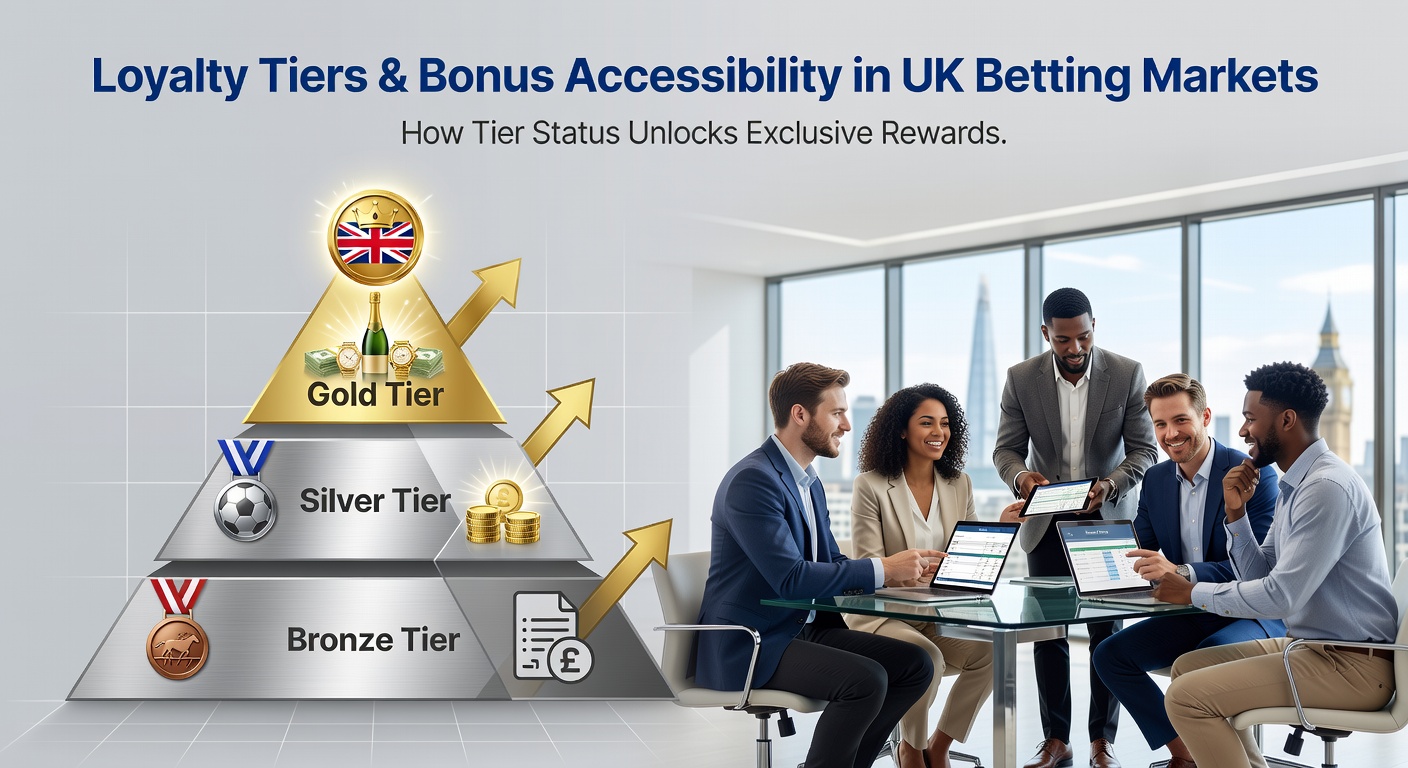
British betting markets have seen loyalty tiers evolve into structured systems that determine how readily participants gain access to enhanced bonuses and promotions, with operators segmenting users based on activity levels and tenure. These programs typically progress through stages such as entry-level, intermediate, and premium categories, each unlocking distinct reward thresholds that influence everything from free bet eligibility to cashback percentages.
Data from industry reports in early 2026 indicates that operators adjust bonus structures around these tiers to encourage sustained engagement, while regulatory frameworks continue to shape the parameters under which such incentives operate. Those who've tracked these developments note that higher tiers often correlate with reduced wagering requirements on promotional funds, creating measurable differences in how quickly players can convert bonuses into withdrawable amounts.
Structure of Tier Systems Across Major Operators
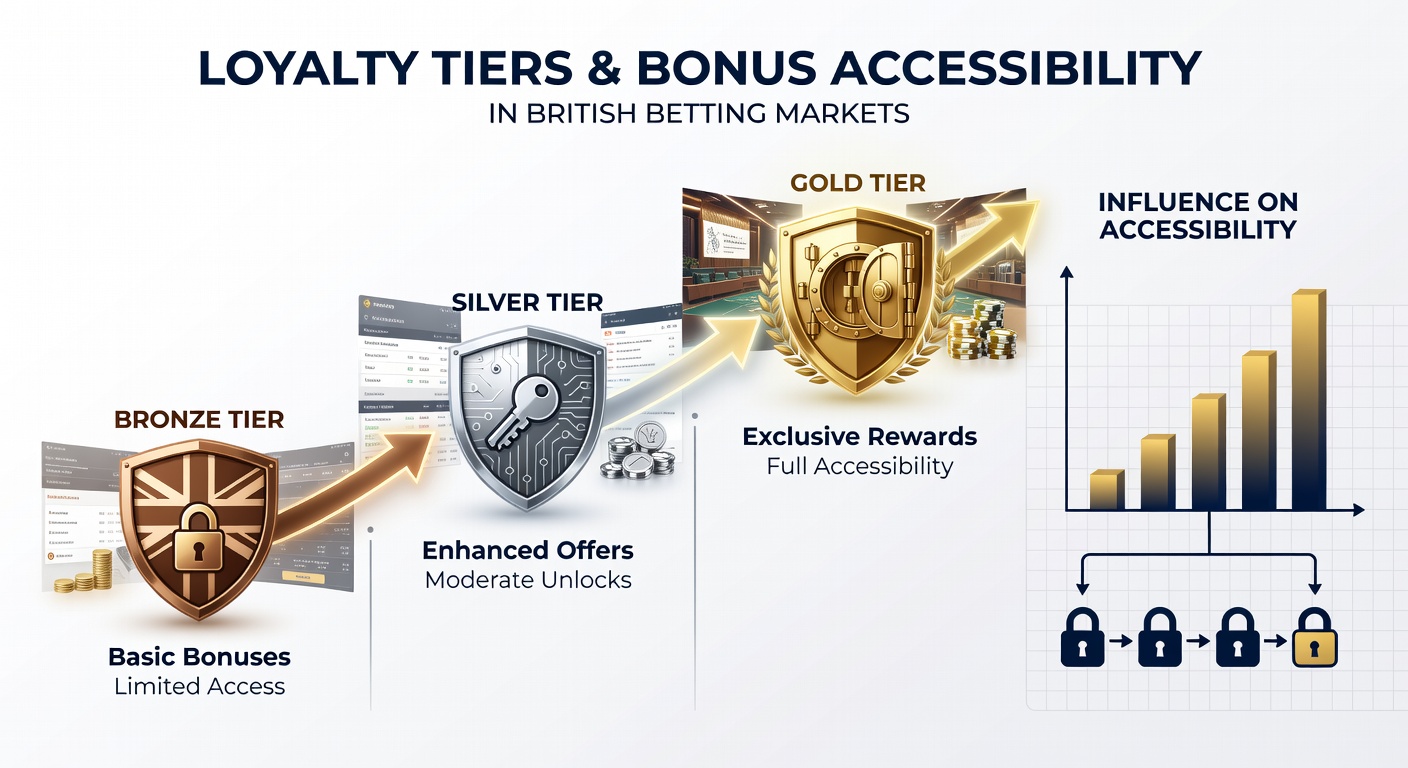
Operators in Britain implement tiered loyalty frameworks that track metrics including total stakes, frequency of deposits, and overall account activity over defined periods, usually rolling monthly or quarterly windows. Entry tiers grant basic access to standard welcome offers, whereas advancement to mid-level status frequently introduces priority notifications for time-limited promotions and elevated deposit match percentages. Premium tiers, by contrast, extend invitations to exclusive events and personalized bonus packages that incorporate elements like enhanced odds on specific events or accelerated loyalty point accumulation rates.
Studies compiled by European gaming associations reveal that these progressions rely on transparent criteria published within operator terms, although the exact formulas vary by platform. Observers have documented cases where participants reaching intermediate tiers in June 2026 gained immediate eligibility for reload bonuses unavailable at lower levels, demonstrating how cumulative spend directly gates promotional opportunities.
Impact on Bonus Types and Accessibility
Bonus accessibility shifts noticeably once players cross tier thresholds, with cashback programs serving as a prime example since higher categories often feature daily or weekly loss refunds that apply to broader bet types. Free bet credits, another common incentive, become available more frequently at elevated tiers and sometimes carry lower minimum odds thresholds, allowing greater flexibility in selection. Matched deposit offers also scale with tier status, as operators allocate larger matching percentages to retain active users within premium segments.
What's interesting is that figures from recent market analyses show participants in top tiers accessing bonus rounds with fewer restrictions on game or sport categories compared to entry-level users. This differentiation stems from operators' strategies to allocate promotional budgets proportionally to user value, resulting in tiered eligibility that directly affects the range of available promotions at any given time.
Regulatory Context and Market Trends Through Mid-2026
Broader regulatory oversight in Britain continues to emphasize responsible promotion practices, requiring clear disclosure of tier qualification rules and associated bonus conditions. Industry bodies such as the European Gaming and Betting Association have published guidelines encouraging operators to maintain equitable access pathways while preventing tier systems from inadvertently limiting promotional reach for newer participants. Data compiled through June 2026 highlights steady adoption of digital tracking tools that automate tier advancement notifications, reducing disputes over qualification status.
Canadian regulatory models offer comparative insights, as outlined in reports from the Responsible Gambling Council, where similar tier structures demonstrate measurable effects on player retention metrics without compromising compliance standards. British operators appear to mirror these approaches by integrating tier benefits with mandatory affordability messaging, ensuring bonus promotions align with updated consumer protection expectations.
Player Progression Patterns and Bonus Utilization
Research indicates that users typically advance through one or two tiers within their first six months of consistent activity, after which progression slows unless deposit volumes increase substantially. Higher-tier members report utilizing a wider array of bonus formats, including insurance on accumulator bets and price boosts reserved for loyal segments. These patterns emerge because operators calibrate bonus pools according to tier distribution data, concentrating enhanced offers among users who demonstrate long-term engagement.
One study revealed that platforms adjusting tier criteria mid-year, such as during the spring racing season leading into June 2026, experienced shifts in bonus redemption rates as participants recalibrated their activity to meet new thresholds. Such adjustments underscore how loyalty frameworks remain dynamic tools that operators refine based on performance indicators rather than static reward ladders.
Conclusion
Loyalty tiers have become integral mechanisms that calibrate bonus accessibility throughout British betting markets, with operators using activity-based segmentation to distribute promotional value. Evidence from multiple sources shows these systems influence not only reward magnitude but also the speed and conditions under which bonuses convert. As frameworks evolve through 2026, tier structures continue to reflect a balance between commercial objectives and regulatory requirements, shaping how participants navigate available incentives across platforms.