Layering Recurring Rewards: How Loyalty Tiers Shape Long-Term Strategies at Leading British Sportsbooks
Written by Taylor Jung · Aug 25, 2026
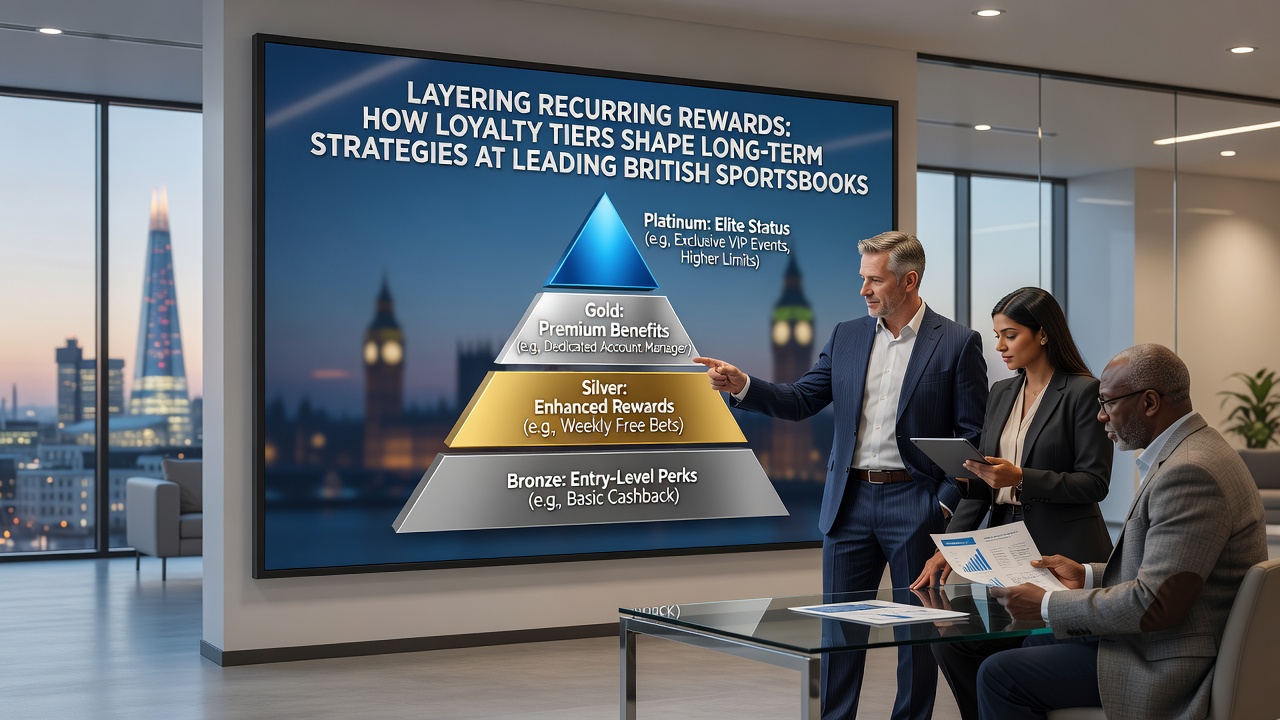
Layering Recurring Rewards: How Loyalty Tiers Shape Long-Term Strategies at Leading British Sportsbooks
British sportsbooks structure loyalty programs around tiered systems that build recurring rewards through consistent play and account activity, and these frameworks have expanded noticeably as operators refine retention tactics into 2026. Data from industry monitoring services indicates that major platforms now segment users across multiple levels, each unlocking incremental benefits such as boosted cashback percentages, priority access to enhanced odds, and exclusive event invitations that accumulate over time.
Operators integrate these layers by tracking metrics including total stakes, frequency of deposits, and participation across sports and casino products, which allows the systems to adjust rewards automatically without manual intervention. Research from the European Gaming and Betting Association shows that such tiered models correlate with extended customer lifecycles, since users who reach higher brackets receive benefits that scale proportionally and encourage sustained engagement rather than one-off activity.
Tier Mechanics and Reward Accumulation
Entry-level tiers typically require modest activity thresholds, while mid and premium brackets demand higher volumes that unlock compounding advantages; for instance, a user advancing from bronze to silver might see cashback rates rise from 5 percent to 10 percent on net losses, with further escalations available at gold and platinum stages. These progressions operate on rolling qualification periods, often spanning 30 to 90 days, which reset or carry forward depending on the operator's specific rules and keep the incentive structure active year-round.
Recurring elements appear through monthly or quarterly bonus allocations that tie directly to tier status, and these often combine with personalized offers based on betting history. Observers note that this layering creates a feedback loop where early rewards motivate continued play, which in turn sustains or elevates the user's position and maintains access to the full suite of benefits without interruption.
Strategic Implementation Across Platforms
Leading British operators deploy these programs as part of broader retention frameworks that align with seasonal sports calendars, and August 2026 data reveals heightened activity around football pre-season promotions where tiered users receive additional multipliers on accumulator bets. The approach segments audiences by value, directing higher-cost incentives toward premium tiers while maintaining baseline engagement tools for newer accounts, which helps balance acquisition spend against long-term revenue stability.

Integration with live betting features further strengthens the model, since real-time odds enhancements often reserve the strongest options for users at elevated tiers, and this exclusivity drives in-play volume during major events. Figures from market analysis firms indicate that platforms using multi-layered loyalty structures report average session lengths increasing by measurable margins compared with flat-reward systems, because the visible path to the next tier keeps engagement metrics elevated across the calendar.
Data Patterns and Retention Outcomes
Studies compiled by academic research groups on gambling behavior patterns demonstrate that tier progression correlates with higher lifetime value per account, particularly when rewards include non-monetary perks such as dedicated support channels or early access to new product features. British sportsbooks track these outcomes through internal dashboards that monitor churn rates at each level, allowing adjustments to qualification criteria or reward values when retention dips appear in specific segments.
Cross-promotional layering appears when sportsbook activity feeds into casino or poker rewards, creating unified accounts that accumulate status across verticals and reduce fragmentation. This holistic view supports operators in allocating marketing budgets more precisely, since high-tier users generate predictable returns that offset the cost of enhanced benefits distributed throughout the year.
Conclusion
Tiered loyalty systems in British sportsbooks function as structured retention engines that layer recurring rewards to guide user behavior over extended periods. The combination of progressive benefits, rolling qualification windows, and cross-product integration produces measurable effects on engagement metrics and account longevity, while operators continue refining thresholds and reward mixes in response to performance data gathered through 2026 and beyond.