Layered Cashback Programs Transforming How Multi-Bet Enthusiasts Manage Risks on British Betting Sites
Written by Theo Günther · Jul 24, 2026
Layered Cashback Programs Transforming How Multi-Bet Enthusiasts Manage Risks on British Betting Sites
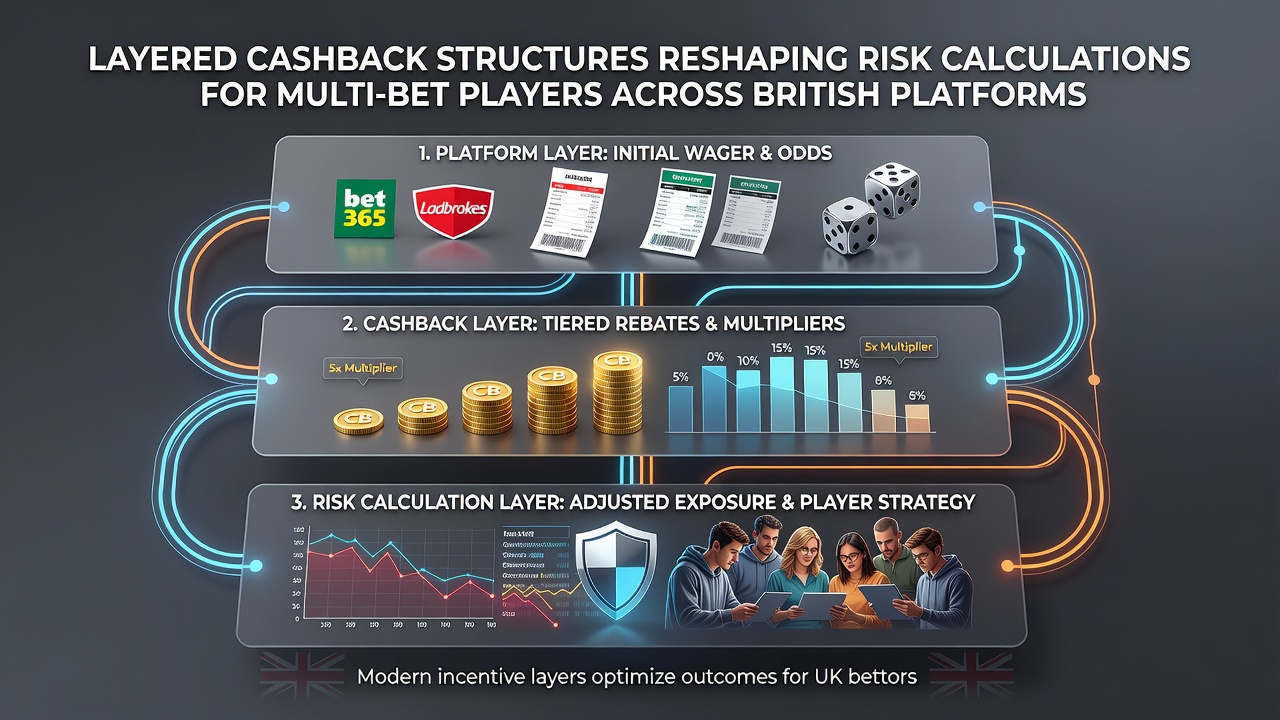
Layered cashback structures have gained traction among British betting platforms as operators introduce tiered refund systems that adjust based on volume, frequency, and loss thresholds for multi-bet participants, and these programs directly influence how players recalibrate their exposure when building accumulators across football, horse racing, and other sports.
Mechanics Behind Tiered Refund Systems
British platforms structure cashback in progressive bands where refunds start at lower percentages for smaller weekly losses and climb toward higher rates once totals exceed set milestones, which allows multi-bet players to incorporate expected refunds into their initial stake planning rather than treating losses as complete write-offs. Operators calculate eligibility through automated tracking of settled bets, and the layered approach means a player who loses £200 in one week might receive 10 percent back while someone crossing £1,000 could qualify for 25 percent, creating a sliding scale that reshapes net risk exposure calculations.
Those who study these programs note that the tiers often reset on a weekly or monthly cycle, and this timing affects how accumulator builders sequence their larger multi-leg wagers because they can time higher-stake bets to align with the upper bands where refund percentages peak.
Impact on Accumulator Risk Assessments
Multi-bet players across British sites now factor projected cashback into their probability models when sizing stakes for accumulators, and this adjustment lowers the effective downside because a partial refund reduces the net capital required to chase longer odds combinations. Data from industry reports shows that platforms offering five-tier cashback systems recorded increased activity in four-leg and five-leg accumulators during the first half of 2026, as participants adjusted their break-even points downward once refunds entered the equation.
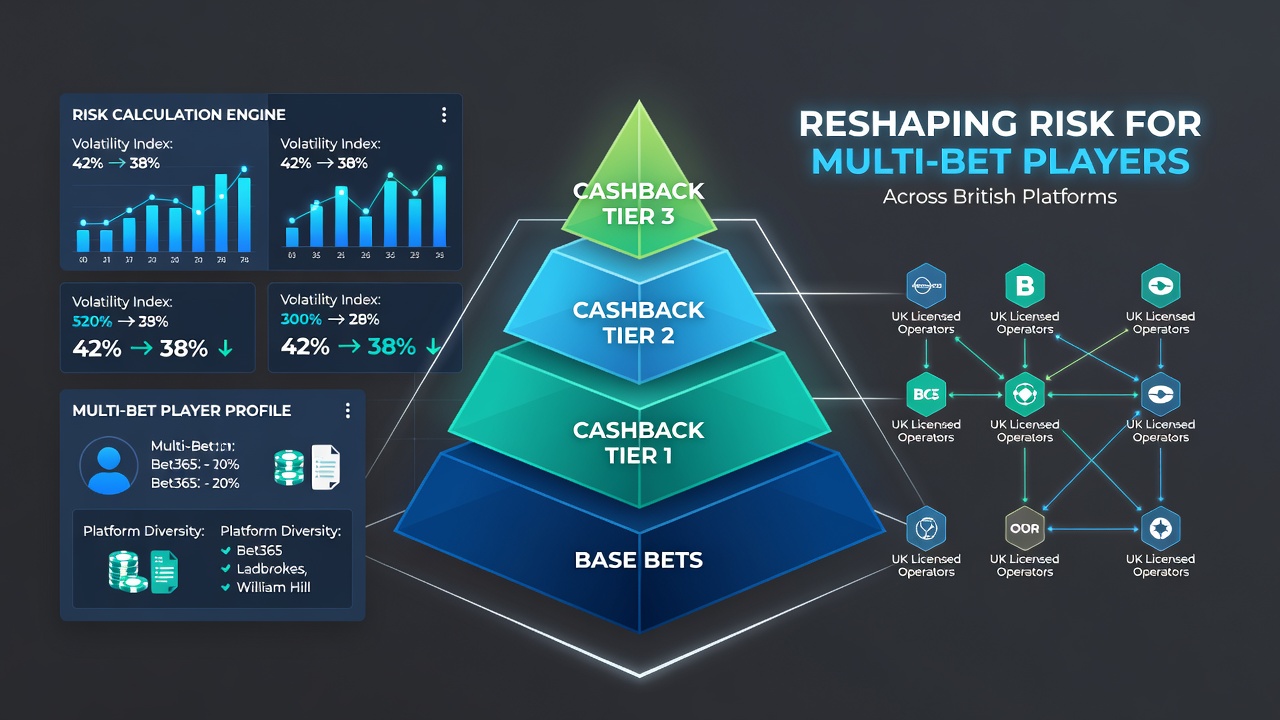
Researchers at the Australian Gambling Research Centre examined similar refund mechanisms and found that layered systems prompted participants to increase average stake sizes by 18 percent while maintaining comparable overall loss rates, because the refund component effectively subsidised additional bets. British platforms have adopted comparable models, and observers report parallel shifts in how accumulator enthusiasts evaluate risk-reward ratios when comparing odds across multiple bookmakers.
Platform Variations and Player Adaptation
Different British operators apply distinct thresholds and percentage ladders, which encourages players to maintain accounts across several sites in order to optimise cashback returns on their multi-bet activity. One case involved a group of accumulator specialists who tracked tier progressions on three major platforms simultaneously, and they discovered that staggering bets across sites allowed them to hit higher refund bands more consistently without concentrating losses in a single account.
July 2026 brought additional refinements as several platforms introduced dynamic tiers that adjusted mid-cycle based on player volume, and this change prompted further recalculations among those who build weekly multi-bet portfolios because the moving targets required more frequent monitoring of accumulated losses.
Integration With Existing Betting Strategies
Players who combine layered cashback with odds comparison tools now treat the expected refund as a variable in their stake formulas, and this integration produces more conservative initial bet sizes on early legs of accumulators while allowing larger positions on later legs once refund tiers become reachable. Industry data indicates that platforms with transparent cashback dashboards saw higher retention among multi-bet users because participants could model scenarios in real time before placing bets.
Those who follow regulatory updates note that authorities outside the UK, such as the Alcohol and Gaming Commission of Ontario, have begun reviewing how refund structures affect player behaviour, and these examinations may influence future disclosure requirements for British operators as well.
Conclusion
Layered cashback structures continue to evolve on British platforms, and multi-bet players respond by embedding refund projections into their risk calculations for accumulators, which alters both stake sizing and platform selection patterns. As operators refine tier thresholds and reset cycles, participants adapt their approaches to maintain optimal positioning across the refund bands, and these adjustments remain visible in betting volume trends through mid-2026.