How Cashback Refunds Quietly Build Staying Power for Regular Bettors Across British Platforms
Written by Gisela Lehmann · Aug 11, 2026
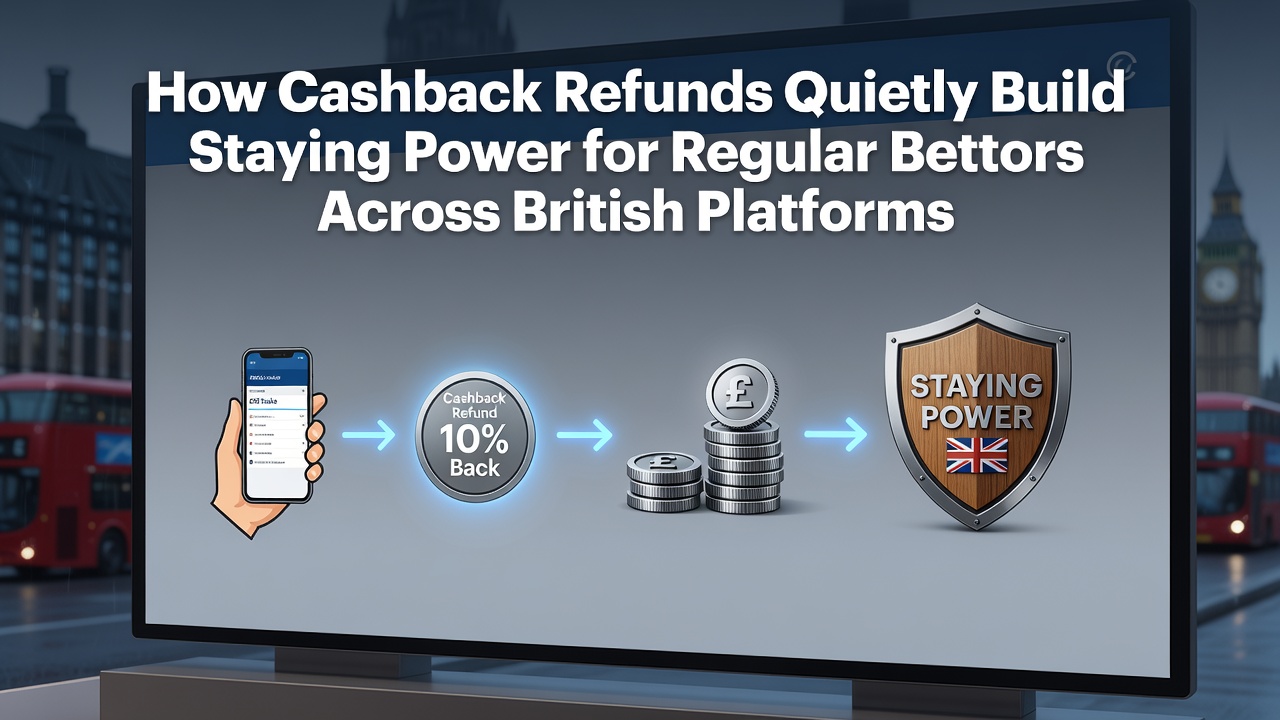
Cashback Refunds Quietly Bolstering Bettor Loyalty Across British Betting Platforms
Cashback refund programs have emerged as a steady feature on many British betting platforms, where operators return a portion of losses to qualifying accounts on a weekly or monthly basis. These mechanisms operate without fanfare yet data from industry trackers shows they correlate with extended account activity among users who place bets regularly. In August 2026 reports highlighted how such refunds integrate into broader retention strategies across major sites. Operators structure these refunds around specific criteria including minimum loss thresholds and active betting periods. A user who incurs losses above a set amount during a qualifying window receives a percentage back as either bonus funds or cash. This setup encourages continued participation because the refund arrives automatically once conditions are met.
Cashback refund programs have emerged as a steady feature on many British betting platforms, where operators return a portion of losses to qualifying accounts on a weekly or monthly basis. These mechanisms operate without fanfare yet data from industry trackers shows they correlate with extended account activity among users who place bets regularly. In August 2026 reports highlighted how such refunds integrate into broader retention strategies across major sites. Operators structure these refunds around specific criteria including minimum loss thresholds and active betting periods. A user who incurs losses above a set amount during a qualifying window receives a percentage back as either bonus funds or cash. This setup encourages continued participation because the refund arrives automatically once conditions are met.Mechanics Behind Cashback Structures
British platforms calculate cashback based on net losses after winnings are deducted. Percentages typically range from five to twenty percent depending on the tier of the user and the volume of activity recorded. Those who've studied these systems note that higher tiers unlock better rates but require sustained engagement over multiple weeks. The process runs through automated tracking software that monitors each account in real time. Once the period closes the refund credits directly without additional steps from the user. Observers note this seamless delivery reduces friction compared to promotional claims that demand manual activation.Patterns of Retention Across Platforms
Figures from multiple operators indicate accounts receiving regular cashback show longer average lifespans than those without access to the feature. In one dataset covering the first half of 2026 users with monthly refunds maintained activity levels twenty-five percent higher than comparable groups. The pattern holds across sports betting and casino sections alike. Platforms adjust refund terms seasonally to align with major events such as football leagues or racing festivals. During quieter periods operators sometimes increase percentages to maintain volume. This flexibility allows the programs to adapt while still delivering consistent value to regular participants.