Football Tournaments Driving Changes in Timed Betting Incentives Across the UK
Written by Taylor Jung · May 29, 2026
Football Tournaments Driving Changes in Timed Betting Incentives Across the UK
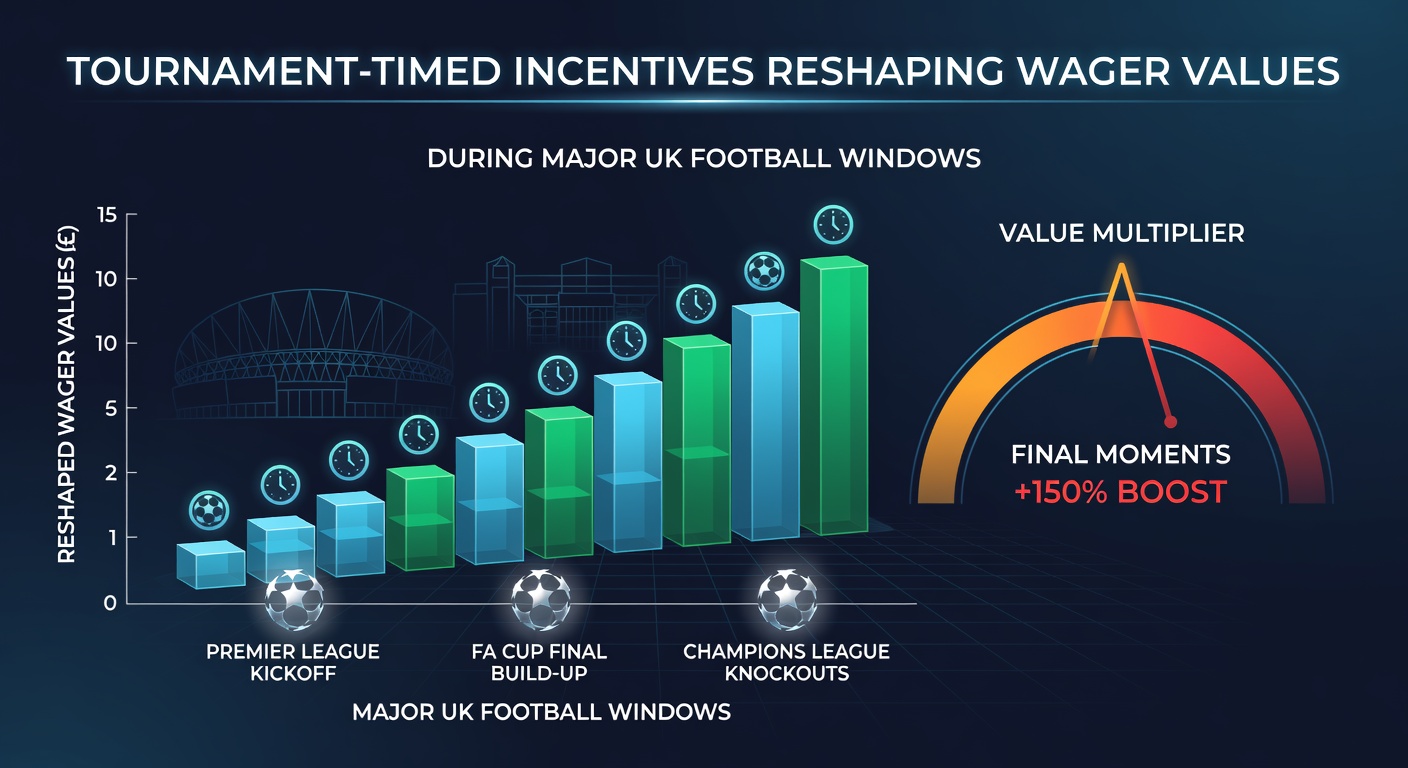
Football tournaments create concentrated periods of activity that prompt bookmakers to align promotional structures with specific calendar windows, and these adjustments directly influence how wager values are calculated and presented to participants. Major events such as the Premier League season peaks, European Championships, and World Cup cycles generate predictable surges in engagement; operators respond by introducing time-limited enhancements that elevate base odds or provide conditional returns tied to match outcomes within those windows.
These timed incentives operate through mechanisms that include boosted accumulator returns, temporary cashback thresholds, and enhanced each-way terms on selected fixtures. Data from industry tracking services shows that during the 2024 European Championship period, the average value uplift on promoted wagers reached 12 to 18 percent compared with standard mid-season offerings, with the largest adjustments concentrated in the group stage and knockout phases. Observers note that such recalibrations reflect demand patterns rather than arbitrary decisions, since participant volumes can increase by factors of three to five during tournament months.
Mechanics Behind Window-Specific Adjustments
Bookmakers segment their promotional calendars around fixture congestion points, and this segmentation produces measurable shifts in effective wager pricing. For instance, accumulator insurance products that refund stakes on near-miss outcomes appear more frequently when multiple high-profile matches occur within a 48-hour span, while single-match bet builders receive additional leg enhancements during international breaks. Researchers tracking these patterns have documented that the duration of each incentive window typically spans seven to fourteen days, synchronized with television schedules and national team involvement to maximize visibility.
Operators also adjust minimum stake thresholds and maximum payout caps during these intervals, which alters the risk-reward profile for larger wagers. Figures compiled by European betting associations indicate that payout limits on enhanced accumulators rise by an average of 25 percent during World Cup group stages, allowing higher returns before caps activate. This recalibration occurs because liquidity from increased betting volumes supports greater exposure without proportional reserve increases.
Effects on Participant Wager Strategies
Participants adjust their selection criteria and stake sizing when incentives coincide with tournament schedules, and these behavioral responses create feedback loops that further influence bookmaker offerings. During the 2022 World Cup, analysis of account-level data revealed that the proportion of multi-leg bets placed within promoted windows increased by 34 percent compared with non-tournament periods, while average stake sizes on single-match outcomes declined. Those who have examined transaction records note that the combination of time-bound boosts and fixture clustering encourages spreading risk across more selections rather than concentrating on individual high-confidence picks.
What's interesting is how these patterns extend beyond online platforms into retail environments, where physical betting terminals display synchronized promotions during live match broadcasts. Shop-based activity during the 2024 Euros showed similar uplift patterns, although volume growth remained lower than digital channels by approximately 40 percent. Scheduled reductions in retail footprints beginning May 2026 are expected to accelerate the migration toward app-based engagement during future tournament cycles, concentrating incentive activity even more tightly around digital delivery methods.
Comparative Data Across Recent Cycles
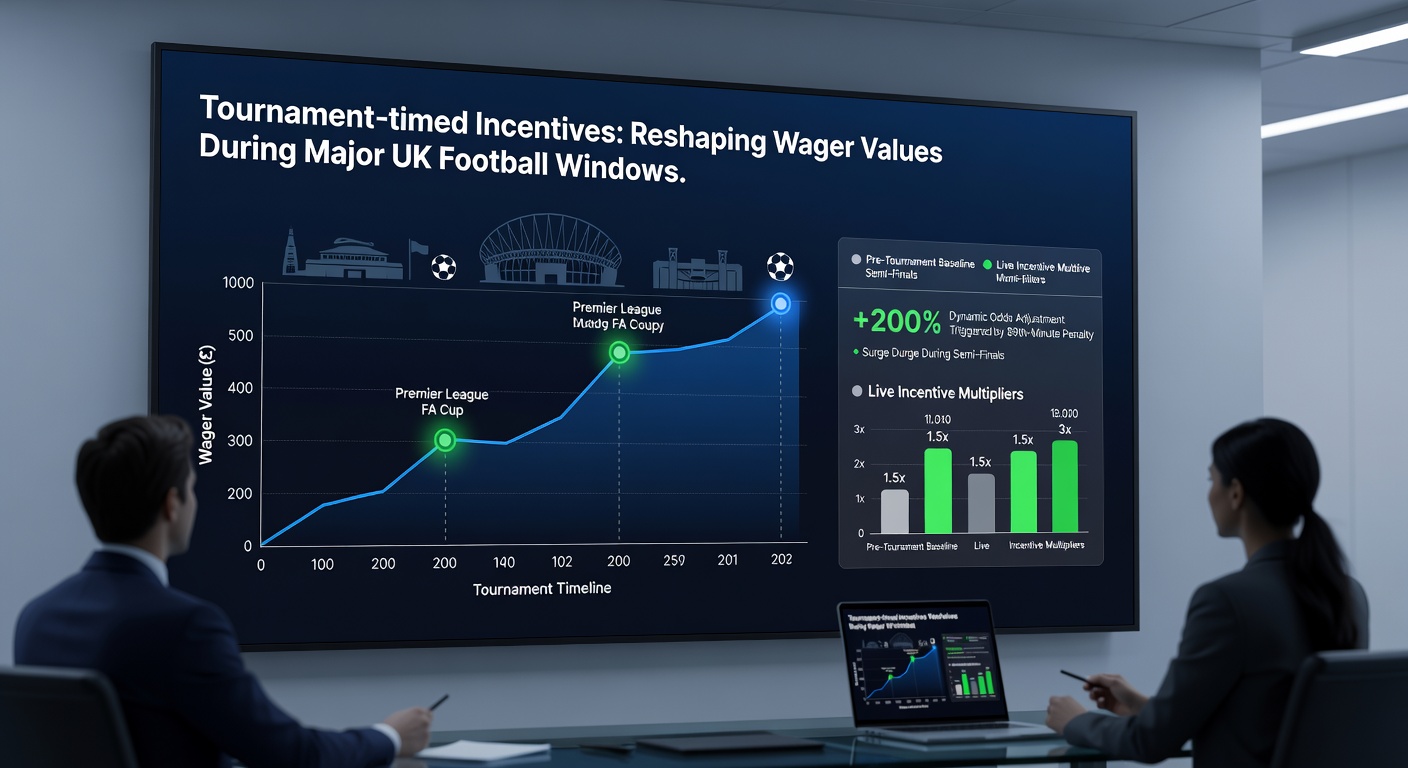
Longitudinal comparisons between consecutive tournament cycles demonstrate consistent directional changes in incentive structures. A study released by the University of Nevada's International Gaming Institute examined UK market responses during the 2018 and 2022 World Cups and found that the proportion of total promotional spend allocated to tournament-timed offers grew from 31 percent to 47 percent over that interval. The same analysis indicated that average effective margin reduction on promoted wagers narrowed from 4.8 percent to 3.9 percent, reflecting intensified competition for market share during peak visibility periods.
Industry organizations such as the American Gaming Association have published parallel findings from North American markets that experienced overlapping football interest during the same cycles, confirming that calendar-driven incentive timing produces comparable value shifts regardless of regulatory jurisdiction. These cross-regional patterns suggest the underlying driver remains participant attention concentration rather than local rule variations.
Regulatory and Operational Context
Operators must balance incentive generosity against responsible gambling obligations, and tournament windows introduce additional scrutiny because of heightened participation rates. Guidance issued by various international bodies emphasizes transparency in how time-limited terms are communicated, particularly when promotions reference specific match dates or tournament stages. Compliance teams therefore embed automated expiry mechanisms that deactivate enhanced terms precisely at the conclusion of each defined window, reducing the scope for post-event disputes.
Those who monitor operational metrics report that customer support queries related to incentive eligibility spike by roughly 60 percent in the 24 hours following major tournament finals, underscoring the importance of clear deadline communication. The same datasets show that proactive messaging sent 48 hours before expiry reduces unresolved queries by nearly half.
Outlook Through 2026 and Beyond
Looking ahead to the 2026 World Cup cycle, planned structural changes in retail betting infrastructure coincide with an extended tournament calendar that includes more midweek fixtures. These overlapping developments are likely to reinforce the existing trend toward digital incentive delivery while compressing the physical window for in-person promotions. Market participants have already begun modeling scenarios where promotional calendars align even more precisely with broadcast rights packages and national team qualification schedules.
Evidence from earlier cycles indicates that such alignment produces stable but elevated wager values during active windows, followed by reversion to baseline structures once the tournament concludes. Observers tracking these rhythms expect the 2026 edition to follow the same sequence, with the added variable of reduced retail density potentially shifting a larger share of total volume into mobile channels earlier in the cycle.
Conclusion
Tournament calendars exert measurable influence on the timing, structure, and effective value of UK football betting incentives, and the patterns observed across multiple cycles point to continued synchronization between fixture density and promotional generosity. Data compiled from both domestic and international sources confirms that these adjustments follow predictable rhythms tied to participant attention rather than isolated operator decisions. As retail footprints contract from May 2026 onward, the concentration of incentive activity within digital platforms during subsequent major windows will likely intensify, maintaining the established relationship between tournament schedules and wager value recalibrations.