Cycles of Competition: How Worldwide Sports Fixtures Influence Bonus Offerings
Written by Theo Günther · Aug 4, 2026
Cycles of Competition: How Worldwide Sports Fixtures Influence Bonus Offerings
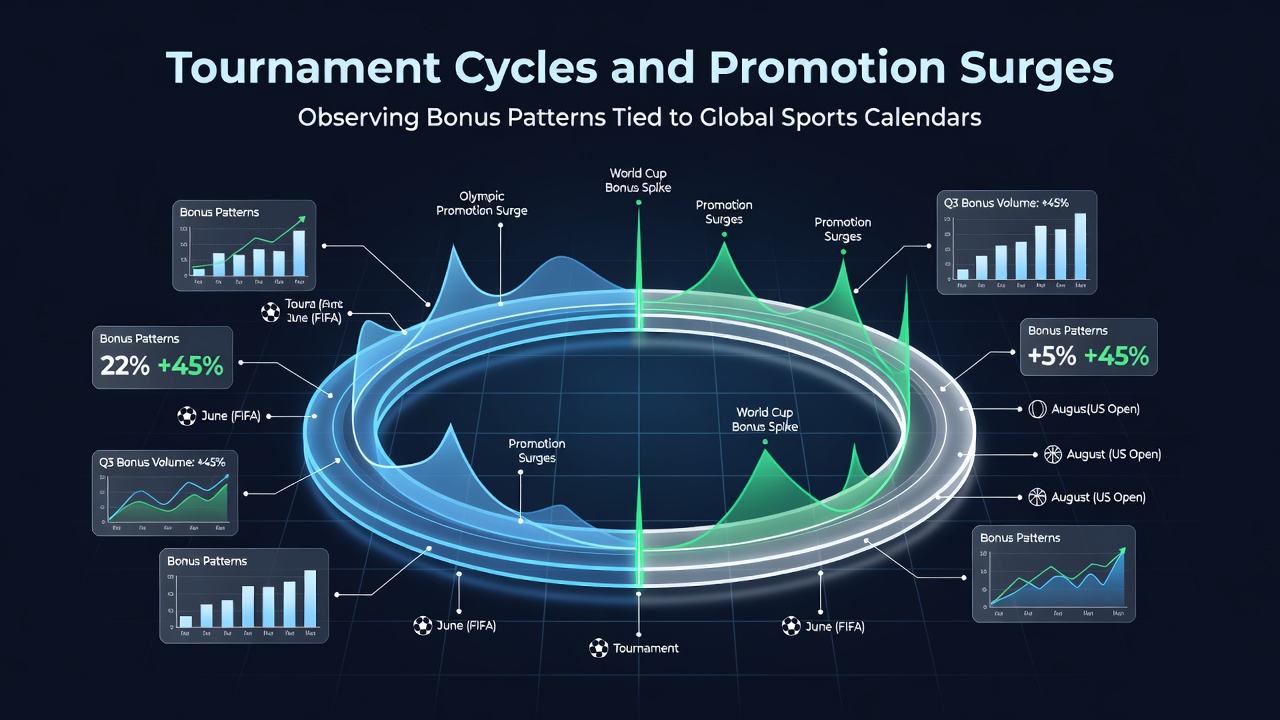
Global sports events follow predictable rhythms that shape how betting operators time their incentives, and observers note clear correlations between major fixtures and surges in bonus activity across multiple markets. Data from industry tracking services shows operators ramp up promotions ahead of events like the FIFA World Cup, the Olympic Games, and annual league seasons because these periods draw higher participation volumes. Researchers at institutions studying gambling trends have documented how these cycles repeat annually, with bonus structures adapting to the intensity and duration of each competition.
Mapping the Annual Rhythm of Events
Major tournaments create distinct phases where promotional volume increases, and analysts track these patterns through historical offer data released by operators in various jurisdictions. The FIFA World Cup stands out as one of the strongest drivers, with qualifying rounds and the finals period triggering enhanced odds, deposit matches, and cashback deals that extend across several months. Similarly the Summer and Winter Olympics generate spikes in multi-sport betting incentives, while domestic leagues such as those in European football maintain steadier but still cyclical promotion schedules tied to match weeks and international breaks.
August often marks a transitional window after the conclusion of major summer tournaments, and in 2026 this period follows the FIFA World Cup hosted across North America which runs through mid-July. Operators then shift focus toward pre-season football campaigns, tennis grand slams, and the opening of North American gridiron seasons, adjusting bonus terms to capture renewed interest in these fixtures. Figures from international gaming associations indicate that such calendar transitions produce measurable upticks in new account sign-ups and existing player engagement when operators align incentives with these shifts.
Promotion Types That Align With Calendar Peaks
Operators design specific bonus formats to match the structure of each event, and case studies from multiple regions reveal consistent approaches. Enhanced odds on tournament favorites appear most frequently during knockout stages when outcomes carry higher stakes, while accumulator boosts gain traction during group phases that feature numerous simultaneous matches. Cashback offers tied to live betting become prominent in events with extended schedules such as cricket world cups or tennis majors, because these formats encourage prolonged session lengths.
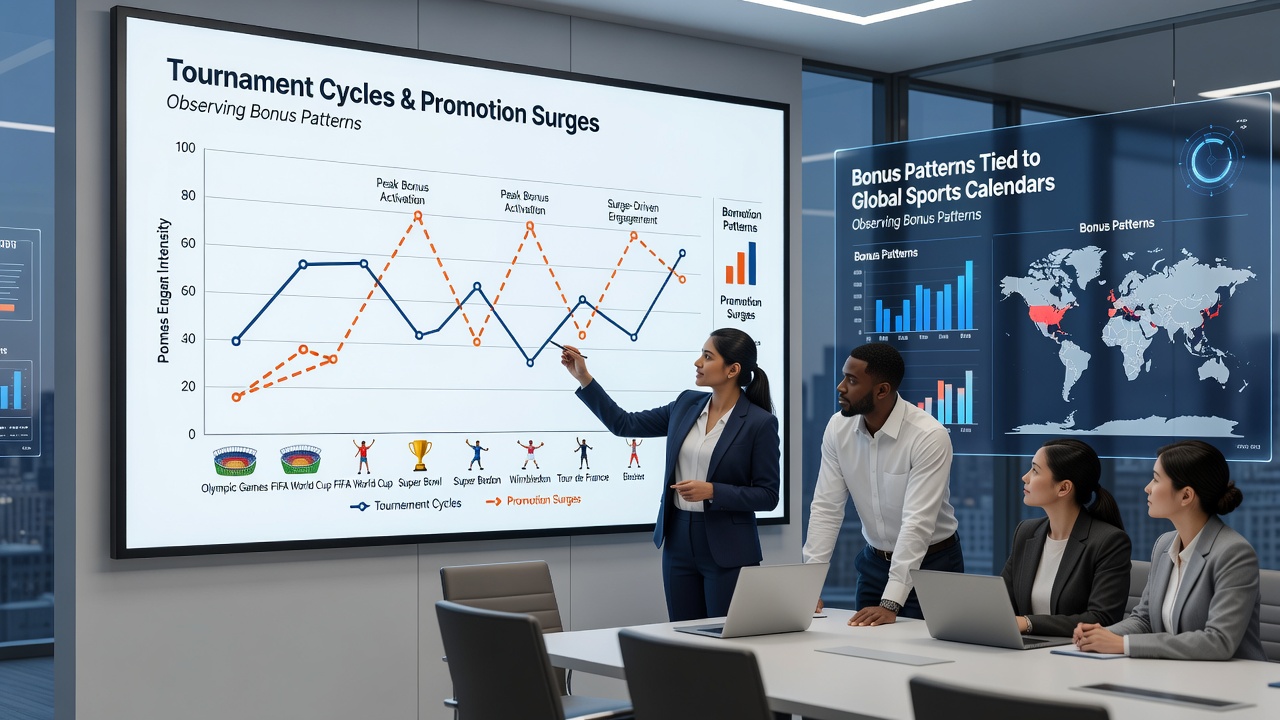
Free bet credits and risk-free bets cluster around opening weekends and final matches, periods when participation metrics reach their highest points according to aggregated industry reports. One analysis conducted by European betting trade groups found that the average number of active promotions per operator rises by more than 40 percent during World Cup months compared with off-peak intervals, with similar patterns observed in Australian and Canadian markets during their respective national sporting calendars.
Regional Differences in Calendar-Driven Strategies
Markets respond differently based on local sports preferences and regulatory frameworks, yet the underlying link between event schedules and promotion timing remains consistent across borders. In North America, operators emphasize NFL and NBA seasons with parlay boosts and insurance-style refunds, while Asian markets see concentrated activity around football and basketball events that align with regional time zones. Australian operators often time enhanced promotions around the AFL and NRL seasons, and data from the Australian Communications and Media Authority shows these periods coincide with elevated bonus redemption rates.
Those who monitor cross-border operator behavior note that international tournaments create opportunities for operators licensed in multiple jurisdictions to run coordinated campaigns, and academic papers from gambling research centers have examined how these synchronized efforts affect player behavior over repeated cycles. The patterns hold steady because the underlying sports calendars change little from year to year, allowing operators to plan incentive structures well in advance.
Conclusion
Global sports calendars establish reliable frameworks that betting operators use to time and structure their bonus offerings, and available data confirms these alignments occur across diverse markets and event types. August 2026 will likely follow the established pattern as attention moves from the FIFA World Cup to subsequent seasons, continuing the cycle observers have tracked through successive years of competition schedules. Industry reports and regulatory disclosures from multiple regions continue to document these recurring connections between tournament timing and promotional activity.