Cashback Mechanisms and Their Response to Fluctuating In-Play Odds in Accumulator Markets
Written by Taylor Jung · Jul 10, 2026
Cashback Mechanisms and Their Response to Fluctuating In-Play Odds in Accumulator Markets
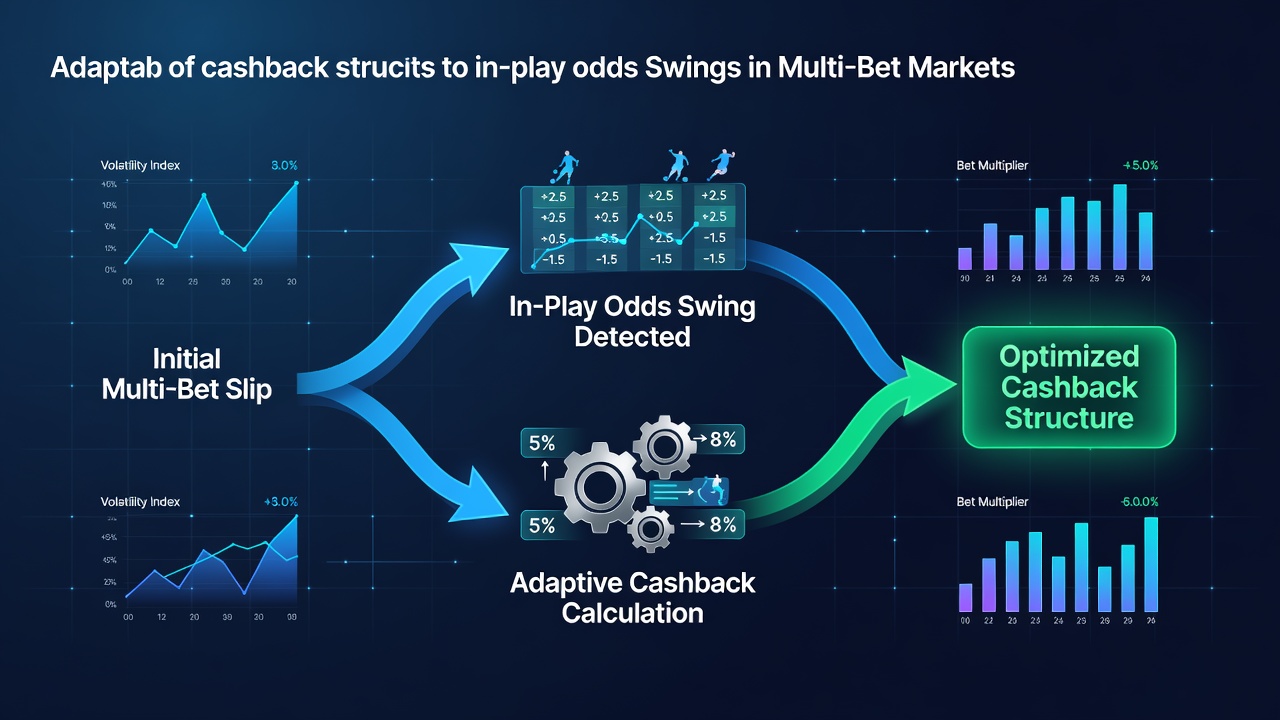
Bookmakers have refined cashback frameworks over recent years to handle rapid shifts in live odds during multi-leg accumulator bets, and data from mid-2026 shows these adjustments occurring more frequently as in-play markets expand. Observers note that operators monitor real-time price movements across football, tennis, and basketball accumulators, then recalibrate refund percentages or eligibility thresholds to maintain balance between customer retention and risk management. Research indicates that swings exceeding 15 percent in any single leg often trigger automated reviews within betting platforms, prompting either increased cashback caps or revised minimum loss requirements before payouts activate.
Core Elements of Cashback in Multi-Bet Contexts
Multi-bet cashback typically applies to accumulators containing three or more selections, where operators refund a portion of stakes lost when at least one leg fails. Figures reveal that standard refund rates hover between 10 and 25 percent depending on the number of legs and the overall odds range, yet these percentages rarely remain static once in-play action begins. Experts have observed that platforms integrate live feed data to track cumulative probability changes, allowing systems to recalculate potential refunds mid-event rather than waiting until settlement. This approach prevents overexposure when an early goal or set victory dramatically alters remaining legs.
Real-Time Monitoring and Automated Triggers
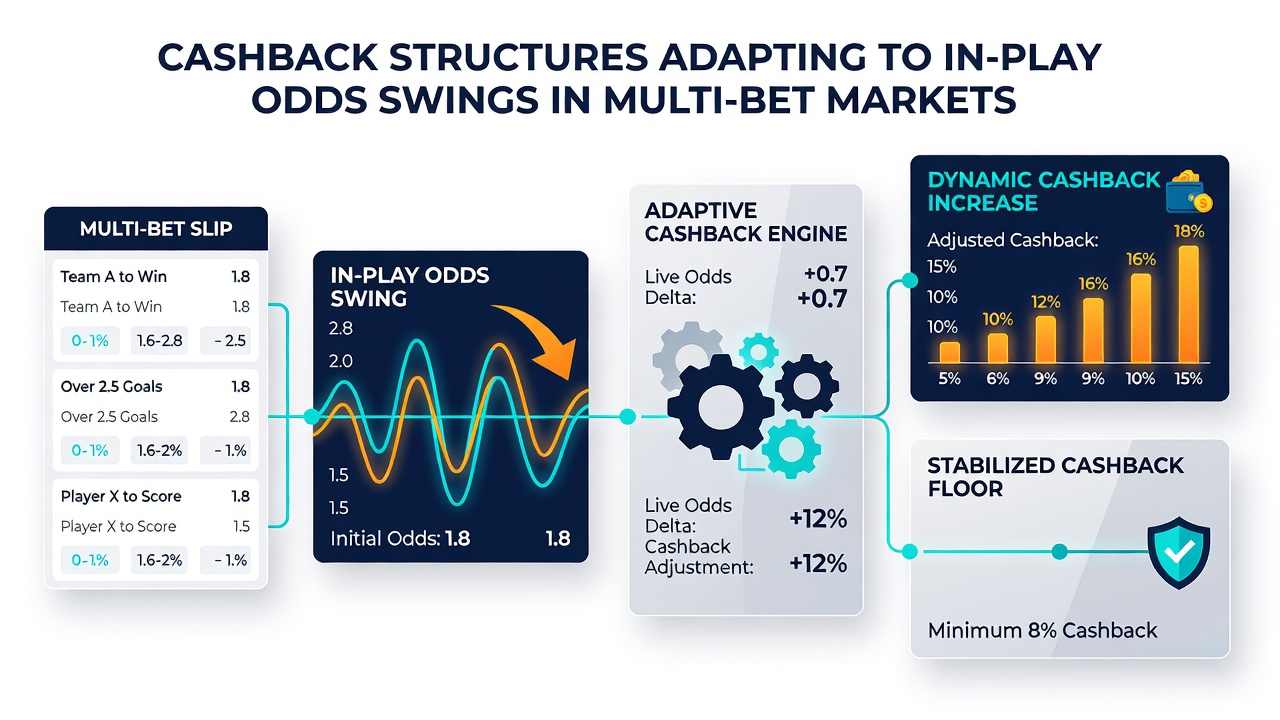
Operators deploy algorithms that scan odds movements every few seconds during live events, and July 2026 reports from industry monitoring services highlight increased reliance on such tools across European and North American markets. When a leg's implied probability drops sharply, say from 2.50 to 4.00 within minutes, the system may pause cashback accrual or adjust the refund tier for that specific accumulator. Those who've studied these processes note that manual overrides still occur during major tournaments, where human risk teams intervene to cap total cashback exposure across thousands of simultaneous bets.
Geographic Variations in Adaptation Practices
Canadian provincial regulators documented similar patterns in 2025 operator filings, showing that platforms serving multiple jurisdictions often apply region-specific cashback rules once odds volatility exceeds predefined thresholds. Australian government gaming reports from the same period indicate that operators there frequently tie cashback eligibility to minimum odds floors that update automatically during in-play periods. Such differences arise because regulatory frameworks vary in how they classify promotional liabilities, forcing operators to maintain parallel calculation engines for different markets.
Impact on Accumulator Construction and Customer Behavior
Players constructing multi-bet slips encounter dynamic cashback displays that update alongside odds boards, and data shows this transparency influences selection patterns during live sessions. When a cashback percentage rises in response to an adverse swing, some bettors add extra legs to chase higher refund tiers, whereas others reduce stakes to lock in existing terms before further movement occurs. Industry analyses from the European Gaming and Betting Association confirm that such behavioral shifts occur most prominently in football accumulators during evening Premier League and Champions League windows.
Technical Infrastructure Supporting Adjustments
Backend systems combine streaming odds APIs with customer account ledgers to recalculate cashback entitlements in real time, and researchers at several European universities have published papers detailing the latency requirements these platforms must meet. Delays beyond two seconds between odds change and cashback display update can create disputes, prompting operators to invest in edge-computing solutions that process adjustments locally before syncing with central servers. These investments have grown noticeably since early 2026, according to technology procurement figures shared within trade associations.
Regulatory Oversight and Reporting Requirements
State-level gaming commissions in the United States have begun requesting quarterly summaries of cashback modifications triggered by in-play swings, and compliance documentation from mid-2026 shows operators logging each adjustment with timestamps and rationale. Such records help regulators assess whether promotional structures remain fair when odds move rapidly, particularly in markets where accumulators represent a growing share of total handle. Operators that fail to maintain adequate audit trails face license review processes that can extend several months.
Future Developments in Cashback Responsiveness
Emerging machine-learning models aim to predict volatility clusters within specific sports and time windows, allowing preemptive cashback scaling before swings materialize. Pilot programs tested during the 2026 European summer football window demonstrated reduced dispute volumes when customers received advance notice of potential tier changes. Continued refinement of these predictive layers will likely shape how cashback structures evolve alongside expanding in-play offerings across global markets.
Conclusion
Cashback adaptation to in-play odds swings in multi-bet markets relies on integrated data systems, regional regulatory compliance, and ongoing technological investment. Evidence from 2026 demonstrates that operators continue refining these mechanisms to manage risk while meeting customer expectations across diverse jurisdictions. The interplay between live odds feeds and refund calculations remains central to accumulator betting operations worldwide.